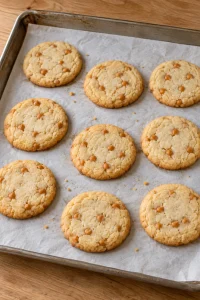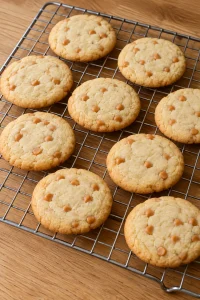
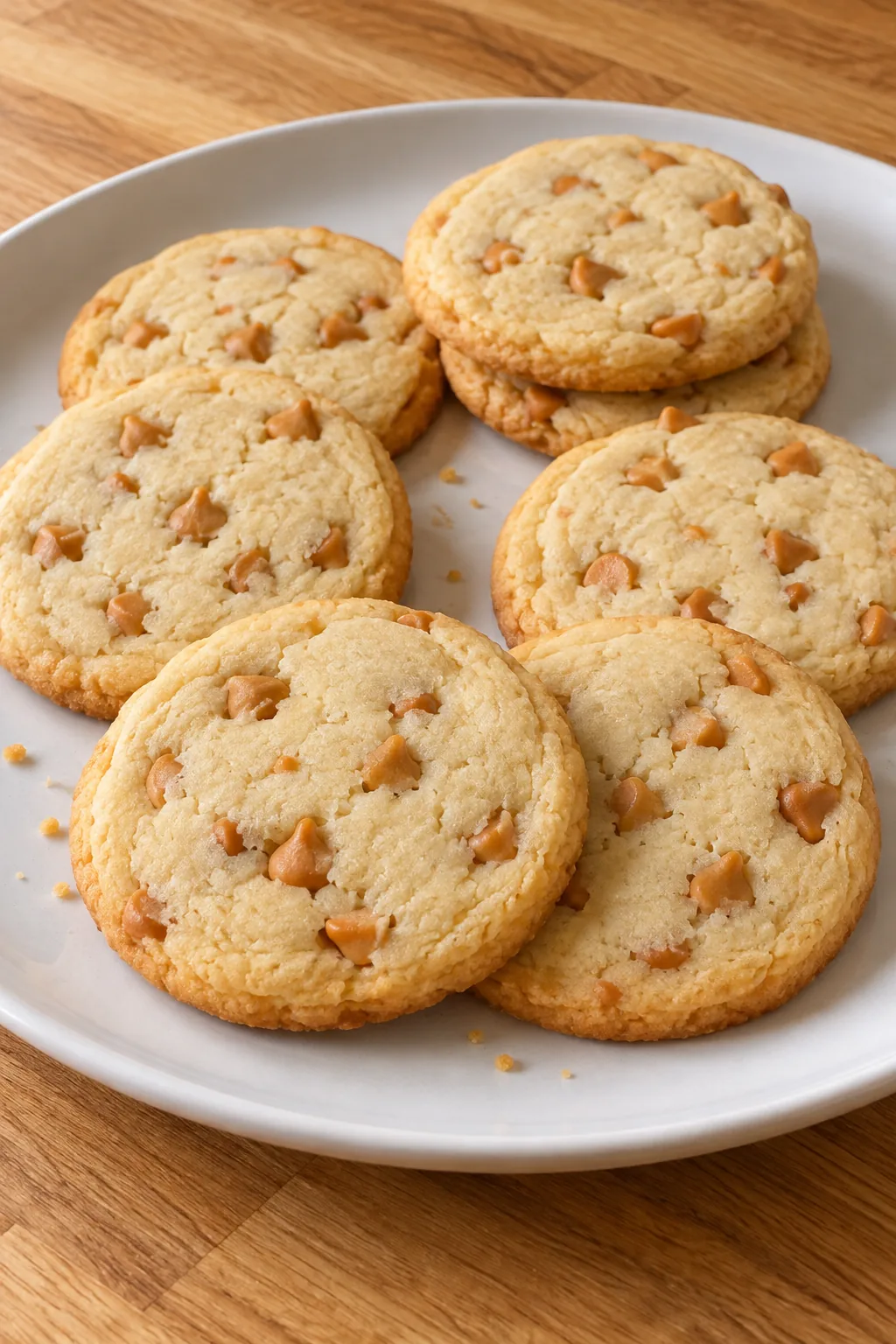
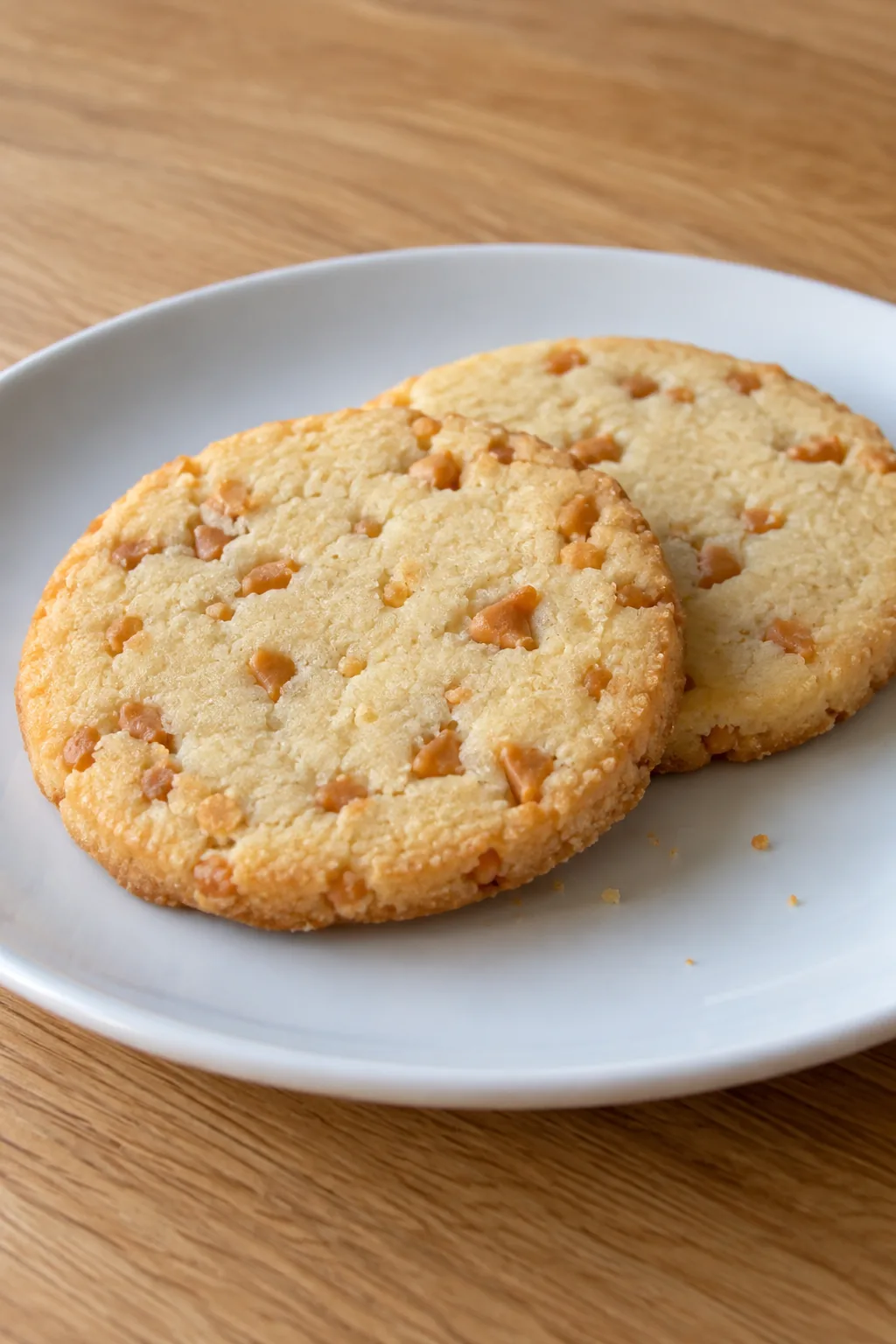
Butterscotch Shortbread Cookies are buttery and crumbly, with sweet butterscotch chips tucked into a simple dough. They bake into flat little rounds with pale tops and lightly golden edges.
You mix the dough, shape it into a log and chill it before slicing. Once the log is firm, cut thin rounds and put them on the baking sheets.
A few things to get right
Start with soft butter. You should be able to press a small dent into it, but it should still hold its shape. Soft butter mixes smoothly with the powdered sugar. Melted butter changes how the dough feels.
Measure the flour gently. If you are using cups, spoon the flour into the cup and level the top. Packing it down can add too much flour and leave the dough dry. The recipe card includes gram weights if you prefer a scale.
Give the dough its chill time. Plan on at least 30 minutes in the fridge. The log should feel firm enough to cut into neat rounds. If it is still soft, leave it in a little longer.
Watch the edges as the cookies bake. Light gold around the outside is enough. The middle should still look pale. Waiting for the whole top to turn brown can leave shortbread harder than you want.
From the mixing bowl to the baking sheet
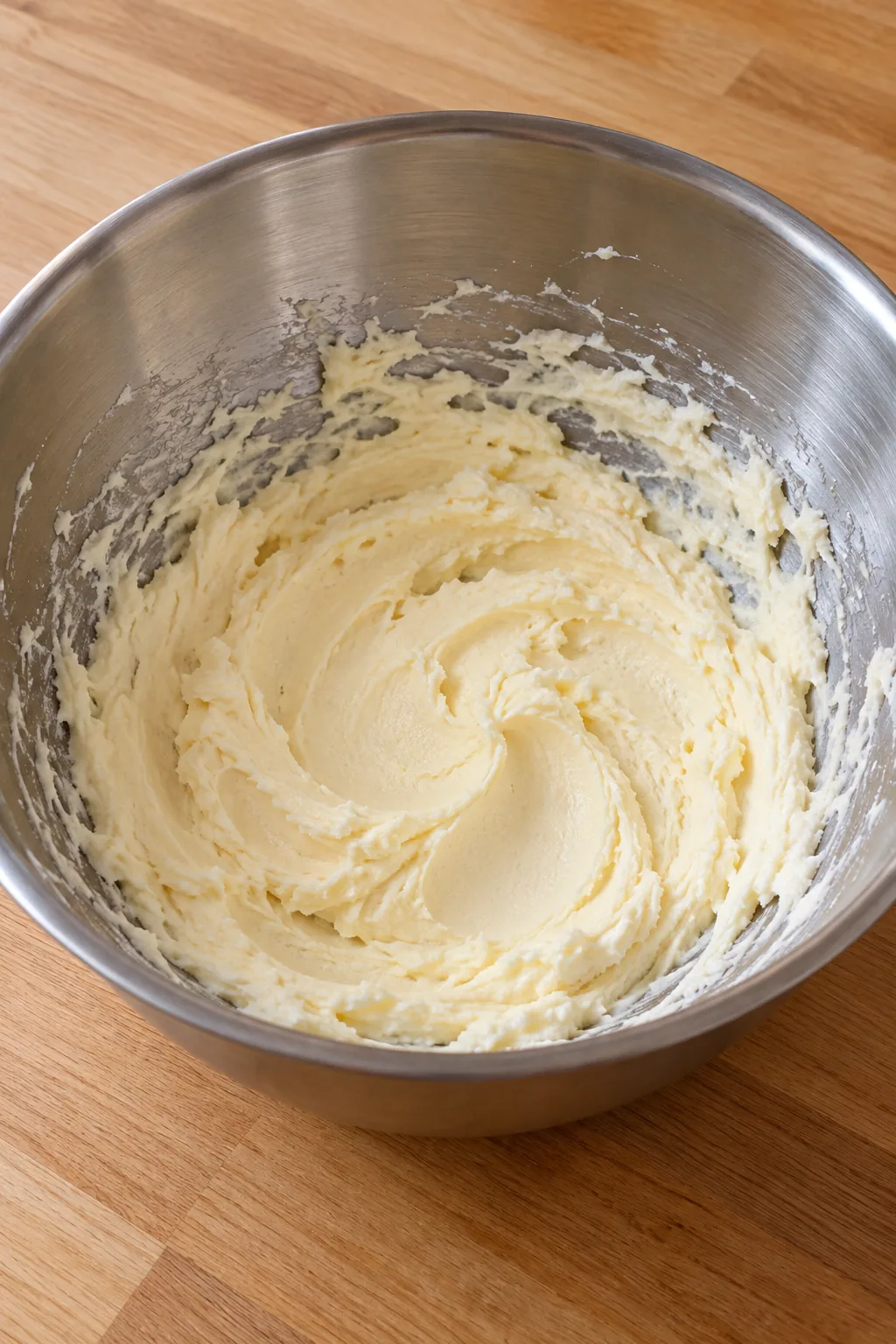
1. Beat the butter and sugar
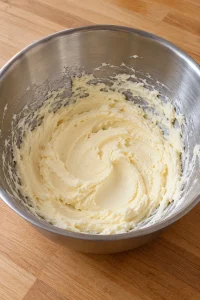
Put 1 cup of softened unsalted butter and ½ cup of powdered sugar in a large bowl. Beat them for 2 to 3 minutes, until the mixture looks smooth and creamy. Mix in 1 teaspoon of vanilla.
2. Mix in the flour and butterscotch
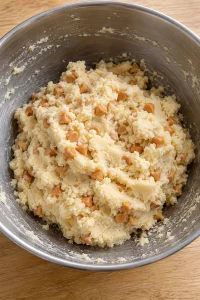
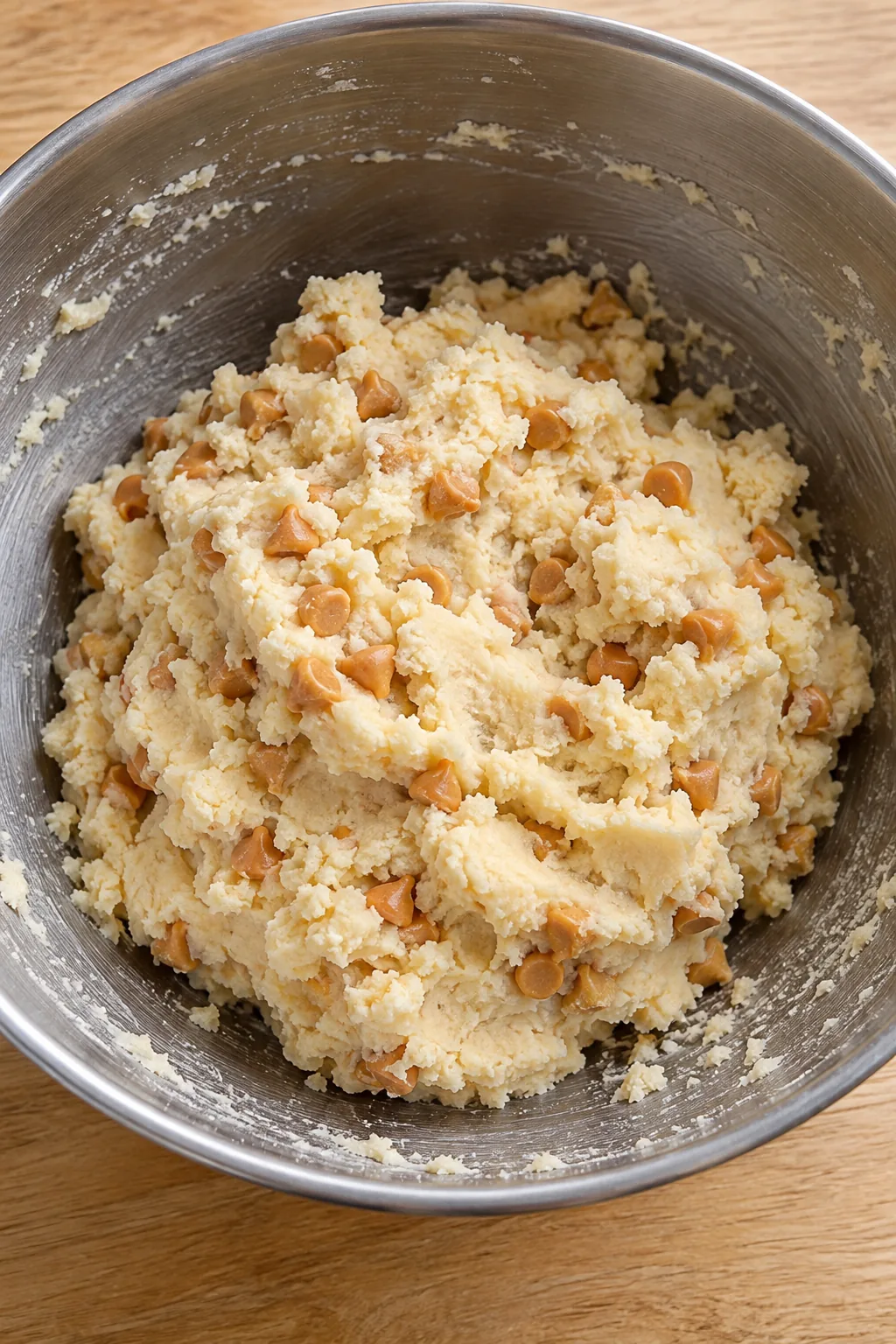
Whisk 2 cups of all-purpose flour with ¼ teaspoon of fine salt in a separate bowl. Add this to the butter mixture a little at a time, mixing on low speed. Stop once the flour is mixed in and the dough comes together.
Use a spatula to fold in ¾ cup of butterscotch baking chips. Work them through the dough so each slice will have some chips. There is no need to keep beating the dough once they are mixed in.
3. Shape the log and chill it
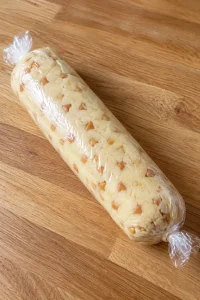
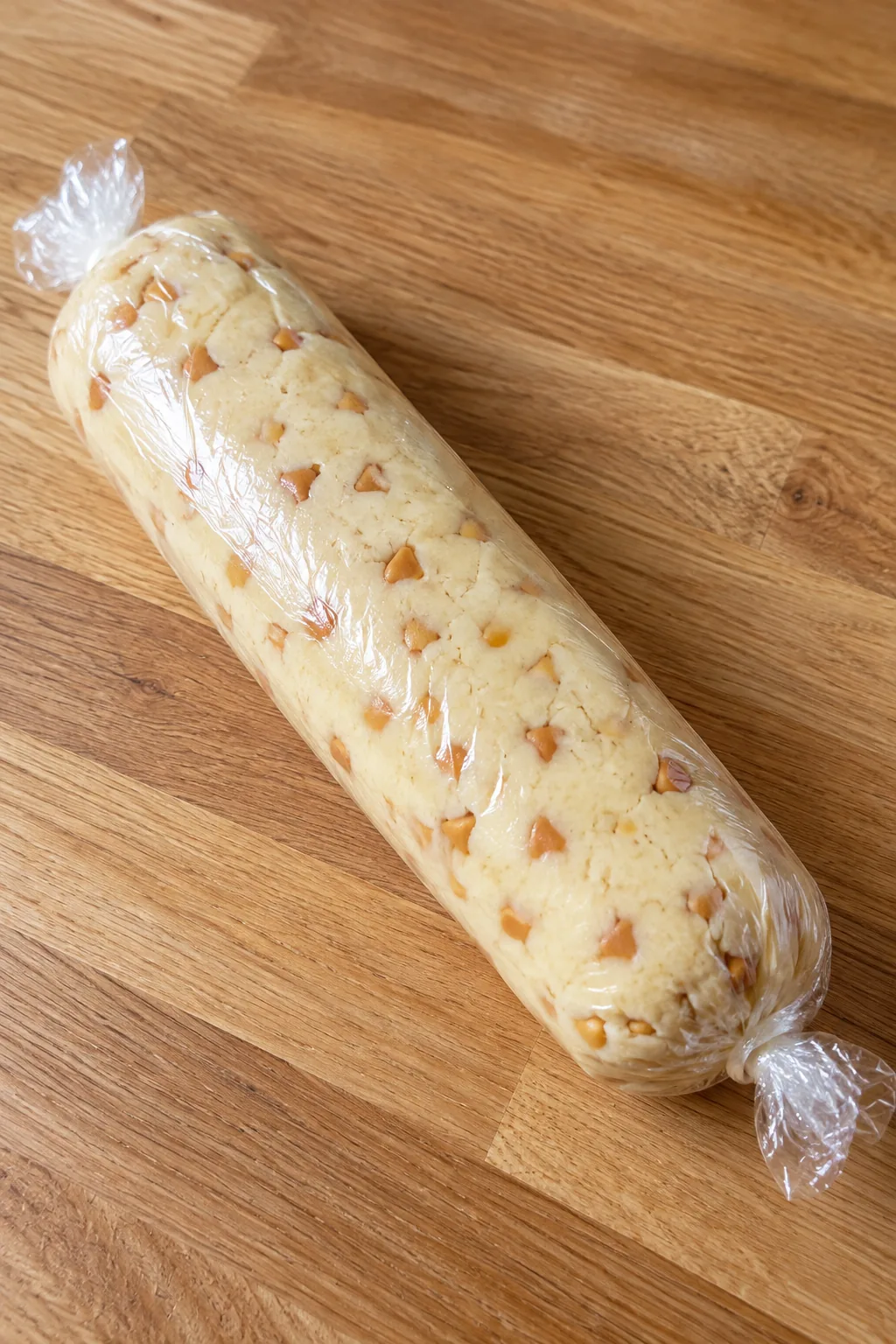
Shape the dough into a log about 2 inches across. Wrap it well and put it in the fridge for 30 minutes, or until it feels firm enough to slice.
Try to keep the log about the same width from end to end. That helps the cookies come out close to the same size, so they bake at about the same pace.
4. Slice the dough and fill the pans
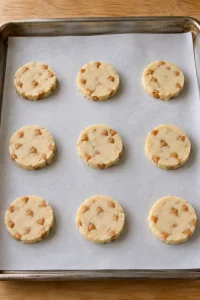
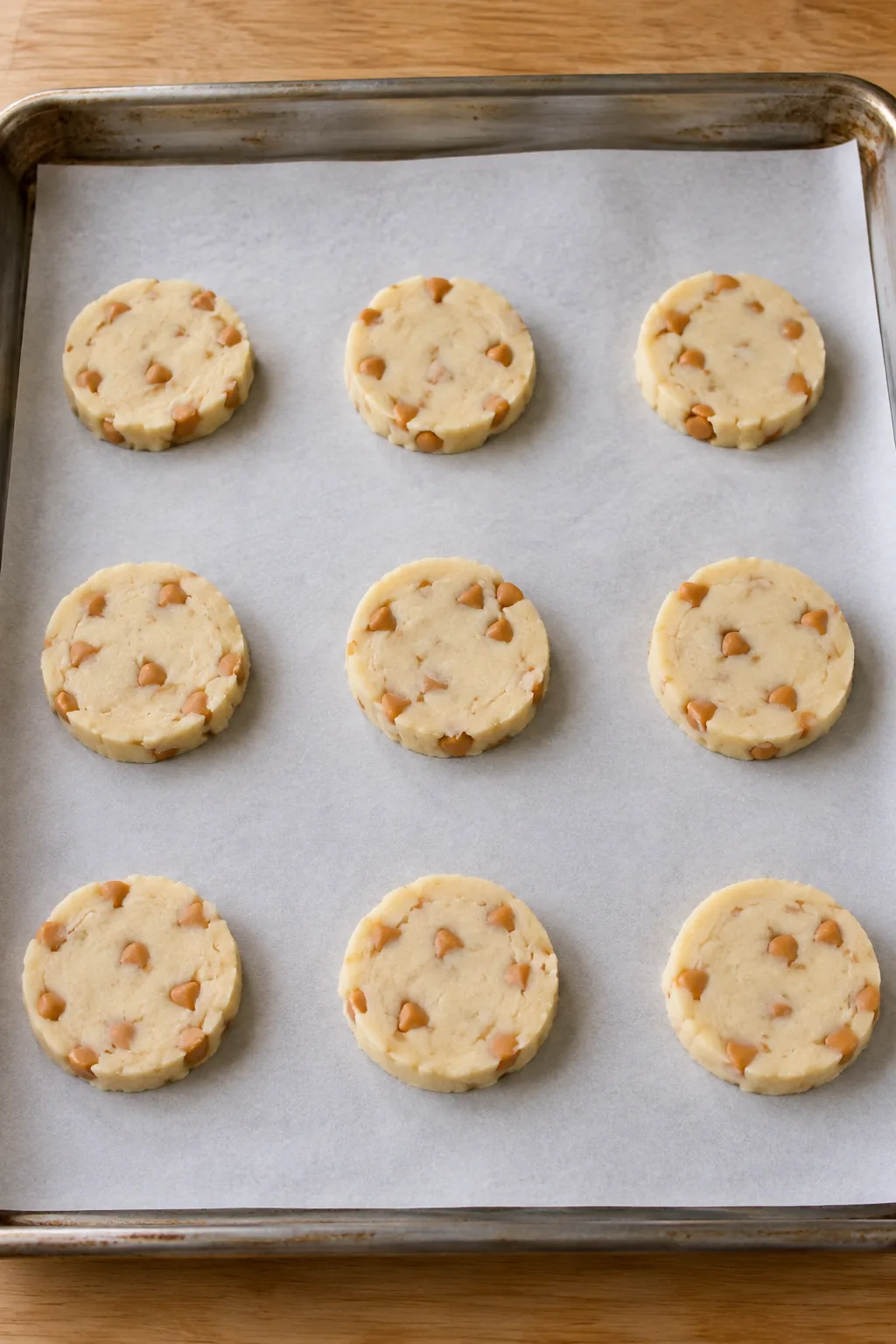
Heat the oven to 350°F (175°C). Line two baking sheets with parchment paper. Cut the cold dough log into rounds about ¼ inch thick and place them about 2 inches apart on the sheets.
The 2 tablespoons of coarse sugar are optional. Add a light sprinkle to the tops if you want it, or bake the cookies without it.
5. Bake until the edges are light gold
Bake for 12 to 15 minutes. Start looking near the end of that time, since ovens can bake a little differently. The edges should be lightly golden and the centers should stay pale.
The cookies will still be soft when the pan first comes out. Give them time to cool instead of leaving them in the oven until they feel firm.
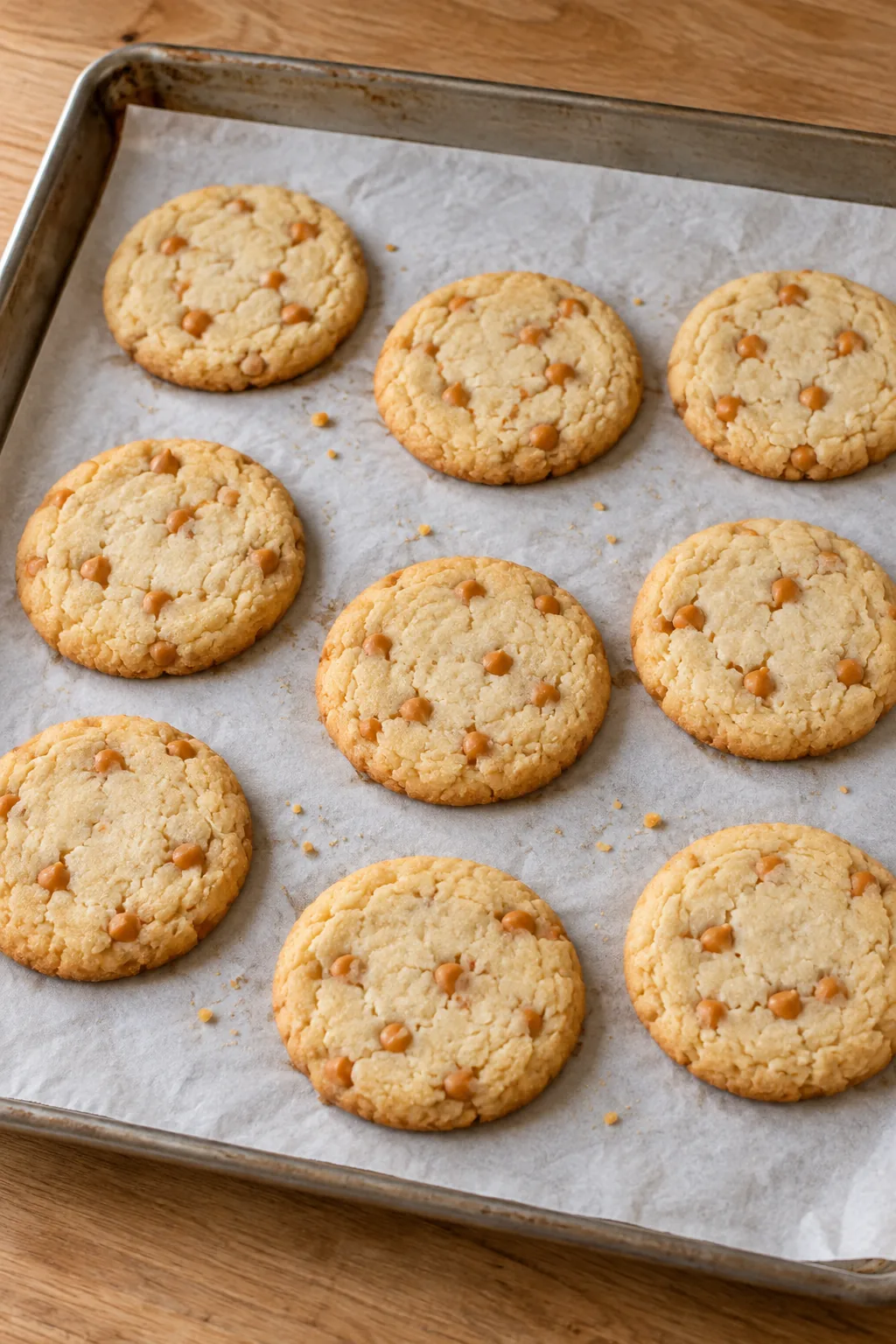
6. Let the cookies set before moving them
Leave the cookies on the baking sheet for about 5 minutes. Then move them to a wire rack and let them cool completely. Moving them too soon can break the soft rounds.
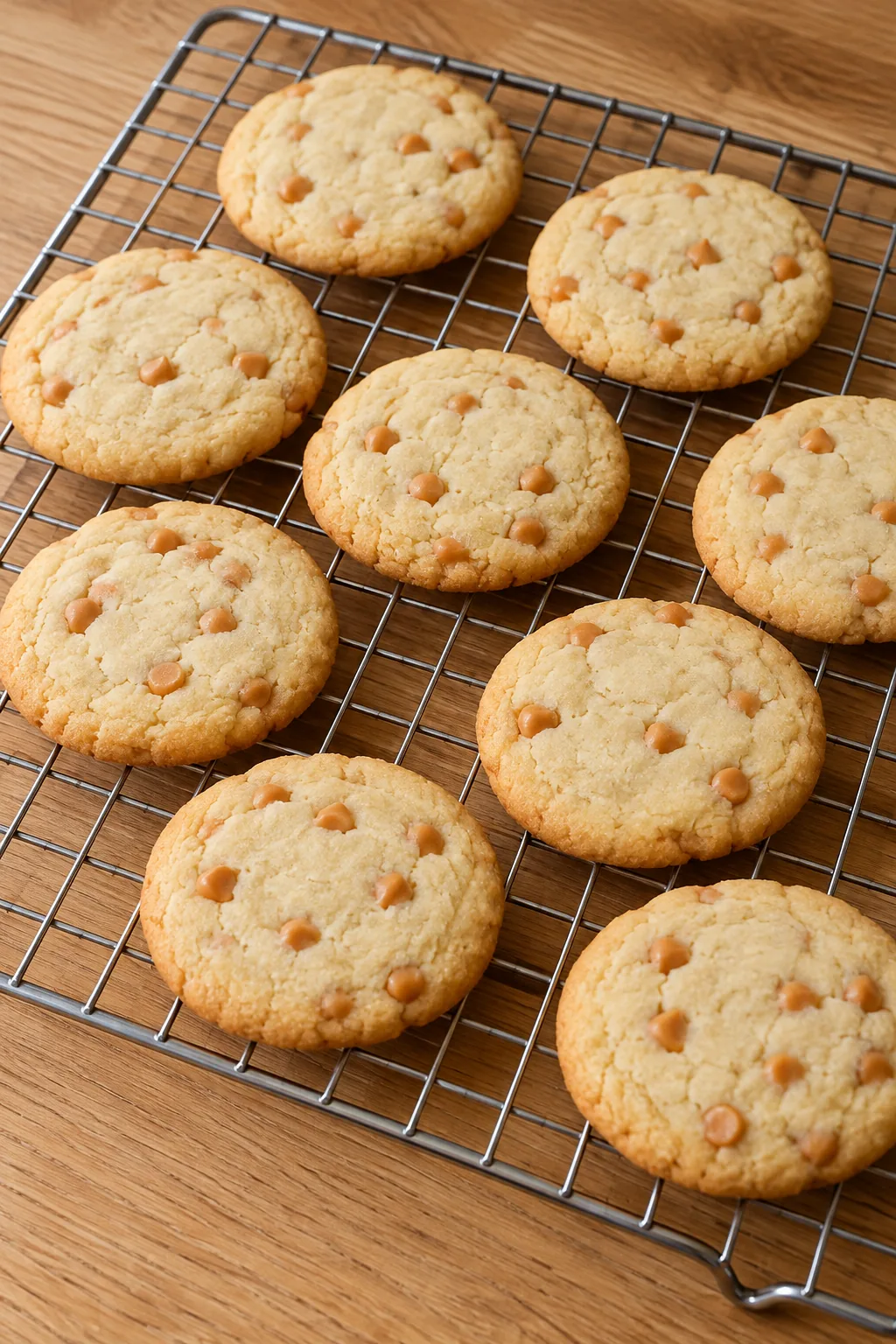
Butter, sugar and the little baking chips
This dough uses powdered sugar, which may also be called confectioners’ sugar. Use that for the dough; the coarse sugar is only for the optional topping.
The butterscotch baking chips give these cookies their sweet butterscotch flavor. Mix them through the dough so you get some chips in each round.
If the dough gives you trouble
Why is it breaking when I slice it?
Very cold dough can be hard to cut, especially where the knife hits a chip. Let the log sit out briefly, then try again. If a slice cracks, gently press it back together before putting it on the baking sheet.
Can I use a cookie cutter?
Yes. Shape the dough into a flat disc before chilling. Roll the cold dough to about ¼ inch thick, then cut out the cookies. Keep the same oven temperature and watch for the same lightly golden edges.
More for the cookie plate
For another familiar cookie, try Best Chocolate Chip Cookies. If you want something you can cut into bars, see 5-Ingredient Sugar Cookie Cheesecake Bars.
Butterscotch Shortbread Cookies Recipe
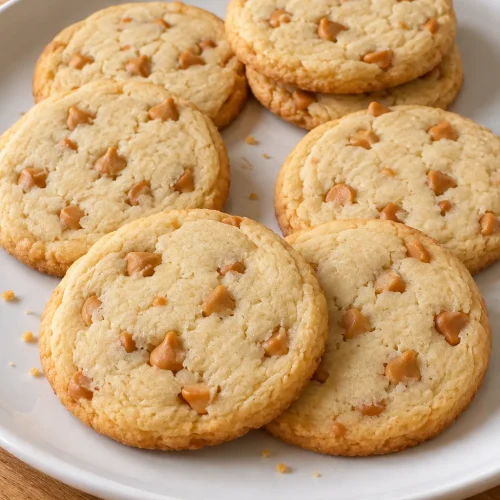
Butterscotch Shortbread Cookies
Ingredients
- 1 cup unsalted butter 226 g, softened
- ½ cup powdered sugar 60 g
- 1 teaspoon vanilla extract
- 2 cups all-purpose flour 250 g
- ¼ teaspoon fine salt
- ¾ cup butterscotch baking chips 130 g
- 2 tablespoons coarse sugar optional, for topping
Instructions
- Beat the softened butter and powdered sugar in a large bowl for 2 to 3 minutes, until smooth and creamy. Mix in the vanilla.

- Whisk the flour and salt together in a separate bowl. Add them to the butter mixture a little at a time. Mix on low speed just until the dough comes together.
- Use a spatula to mix the butterscotch chips through the dough.
- Shape the dough into a log about 2 inches across. For cookie cutters, shape it into a flat disc instead. Wrap the dough well and chill for 30 minutes, or until firm enough to slice.
- Heat the oven to 350°F (175°C). Line two baking sheets with parchment paper.
- Cut the cold dough log into rounds about ¼ inch thick. If using a disc, roll it to ¼ inch thick and cut out the cookies. Place them on the lined baking sheets, about 2 inches apart. Add a light sprinkle of coarse sugar if you are using it.
- Bake for 12 to 15 minutes. Check near the end. The edges should be lightly golden and the centers should still look pale.
- Leave the cookies on the baking sheet for about 5 minutes. Then move them to a wire rack and let them cool completely before serving.