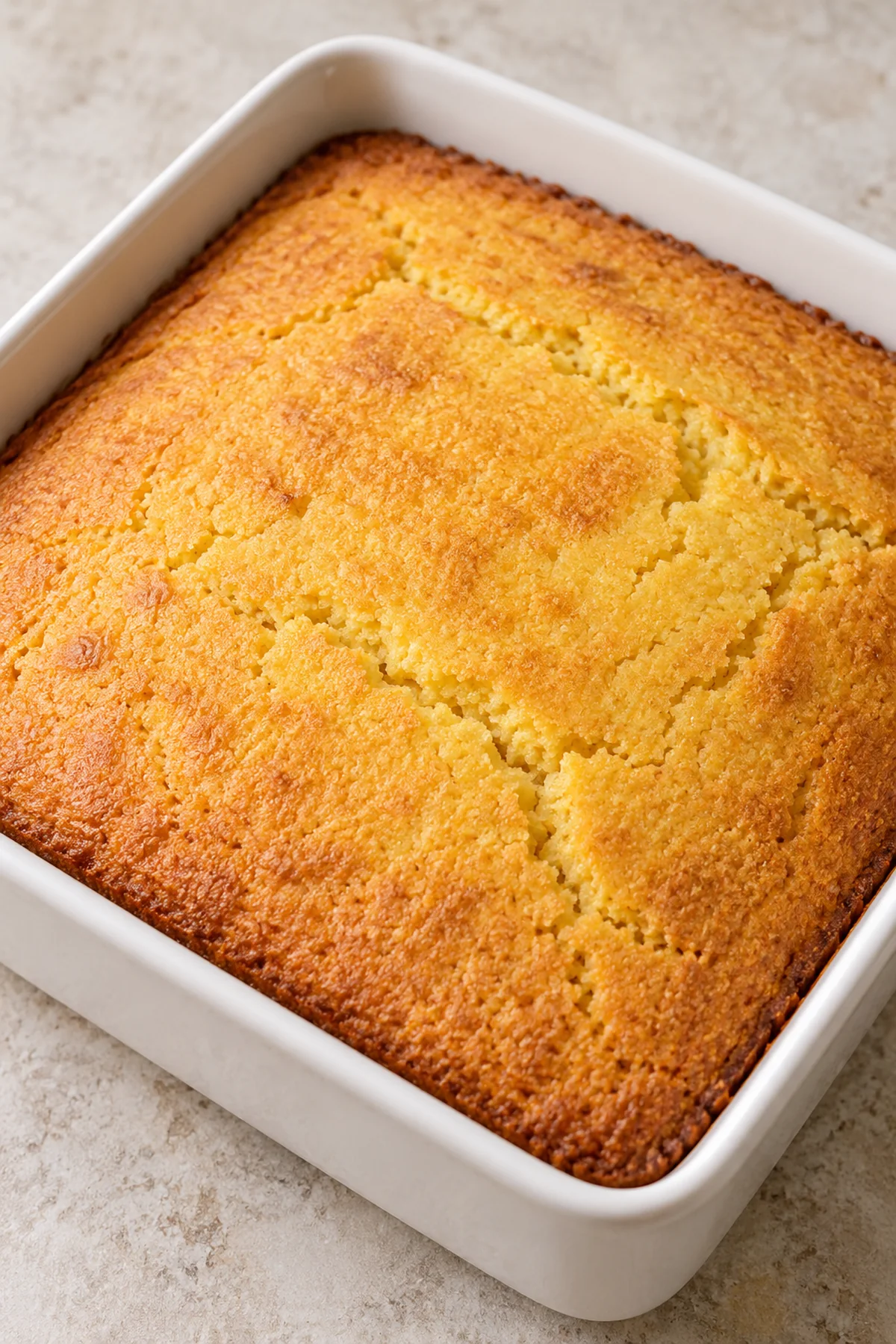
Grandmother’s Buttermilk Cornbread has a sweet, buttery crumb and golden edges that hold up well beside a bowl of soup. It bakes in an eight-inch square pan and cuts into nine generous squares. The cornmeal gives it a little texture, while flour and buttermilk keep the middle tender.
My advice is to mix this batter by hand. Once the flour goes in, a few small lumps are fine. Stirring until everything looks perfectly smooth is more work than the batter needs, and it can leave the bread less tender.
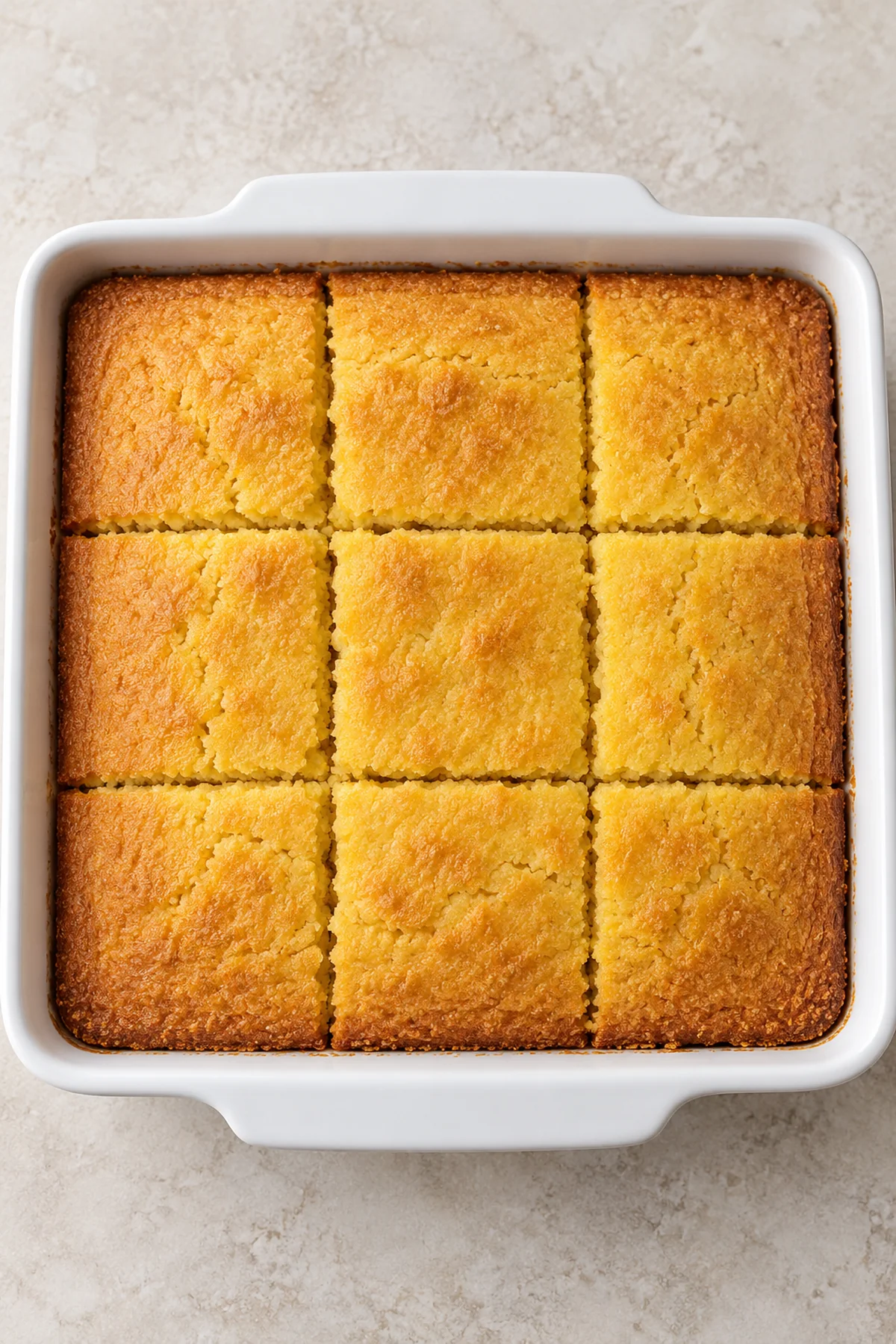
Choose plain cornmeal and cultured buttermilk
Yellow cornmeal: A fine or medium grind gives this bread its familiar color and a fairly even crumb. Use plain cornmeal. Self-rising cornmeal mixes already contain leavening and sometimes other ingredients, which changes the recipe.
All-purpose flour: Spoon it into the measuring cup and level the top. Scooping a tightly packed cup directly from the bag can add more flour than intended. That extra flour makes it harder to get a soft middle.
Buttermilk: Shake the carton before measuring. Cultured buttermilk brings some tang to the sweet batter and works with the baking soda. Measure both before you start, but wait until the oven and pan are ready before mixing them together.
Butter and eggs: Melt the butter, then let it cool until it is warm rather than piping hot. Whisk the eggs into the butter and sugar thoroughly before adding the flour mixture. At that stage, you want the eggs fully blended, with no streaks of white left behind.
Sugar, baking soda, and salt: Two-thirds of a cup of sugar makes this a sweet cornbread. The baking soda is measured separately, so check that it is still fresh and break up any lumps. A small amount of salt rounds out the butter and cornmeal flavors.
Get the pan ready before mixing
Heat the oven to 375°F (190°C) and grease an eight-inch square baking pan. Set out a cooling rack as well. Preparing the pan first means the finished batter can go straight into the oven.
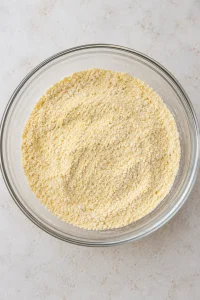
Whisk the cornmeal, flour, and salt in one bowl. In a larger bowl, mix the slightly cooled melted butter with the sugar, then whisk in the eggs. Stir the baking soda into the buttermilk and add that mixture to the butter bowl.
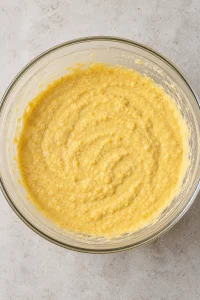
Fold in the dry ingredients with a spatula or wooden spoon. Scrape along the bottom of the bowl so there are no hidden pockets of flour. Stop once the dry ingredients are moistened; the batter can still look a little uneven.
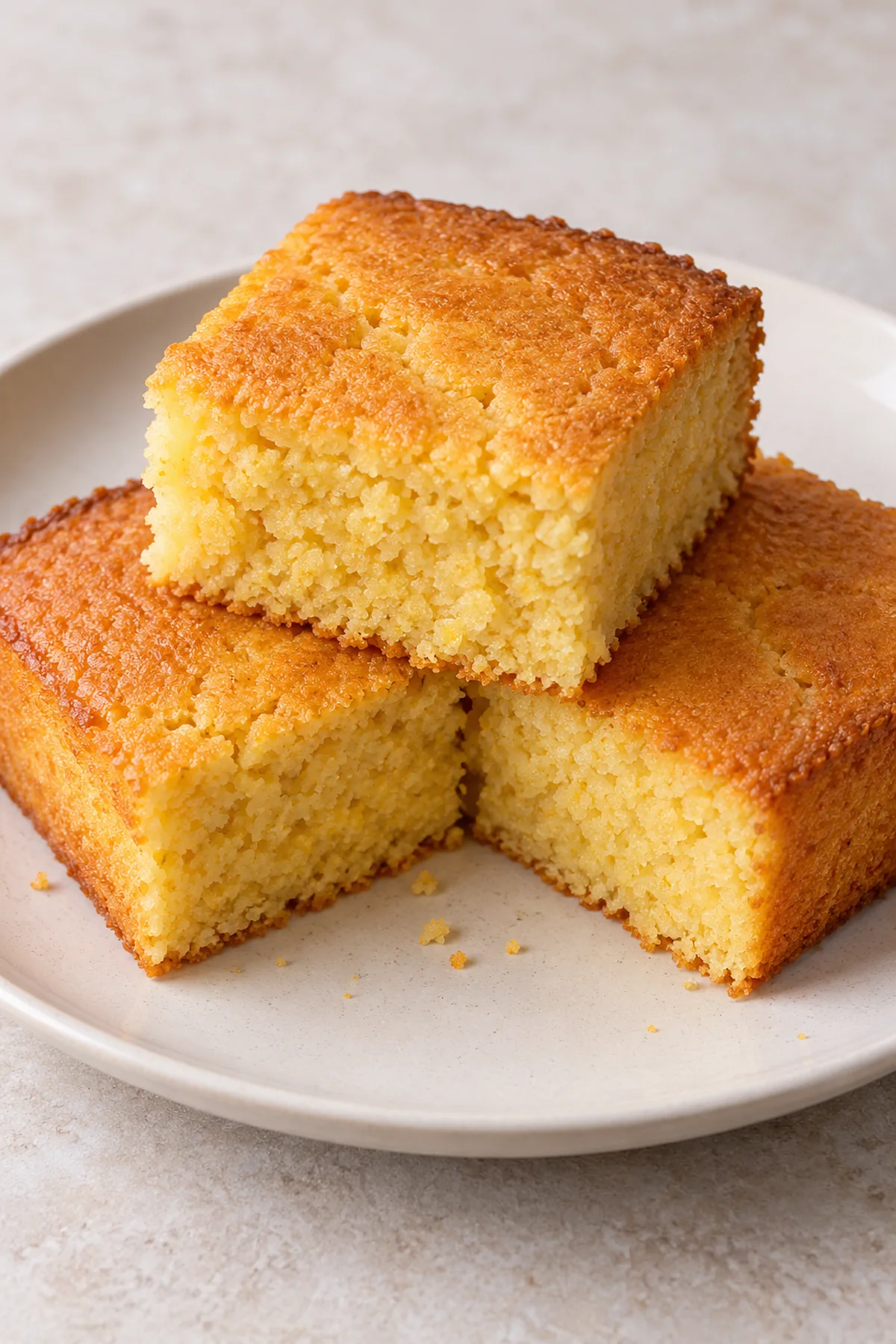
Spread gently, then check the center
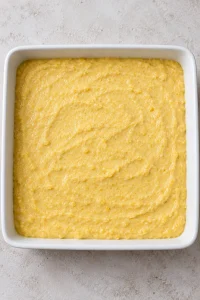
Scrape the batter into the prepared pan and spread it into the corners. It should make an even layer without much pressing or working. Put the pan on the middle oven rack.
Start checking at thirty minutes. The top should be golden, and a toothpick inserted into the center should come out without wet batter. A few small crumbs are fine. If the middle is still wet, give it more time and check again.
The edges may look done before the center, especially in a different pan material. Check the middle rather than judging only by the browned sides. The usual baking range is thirty to forty minutes, but the toothpick check matters more than the timer.
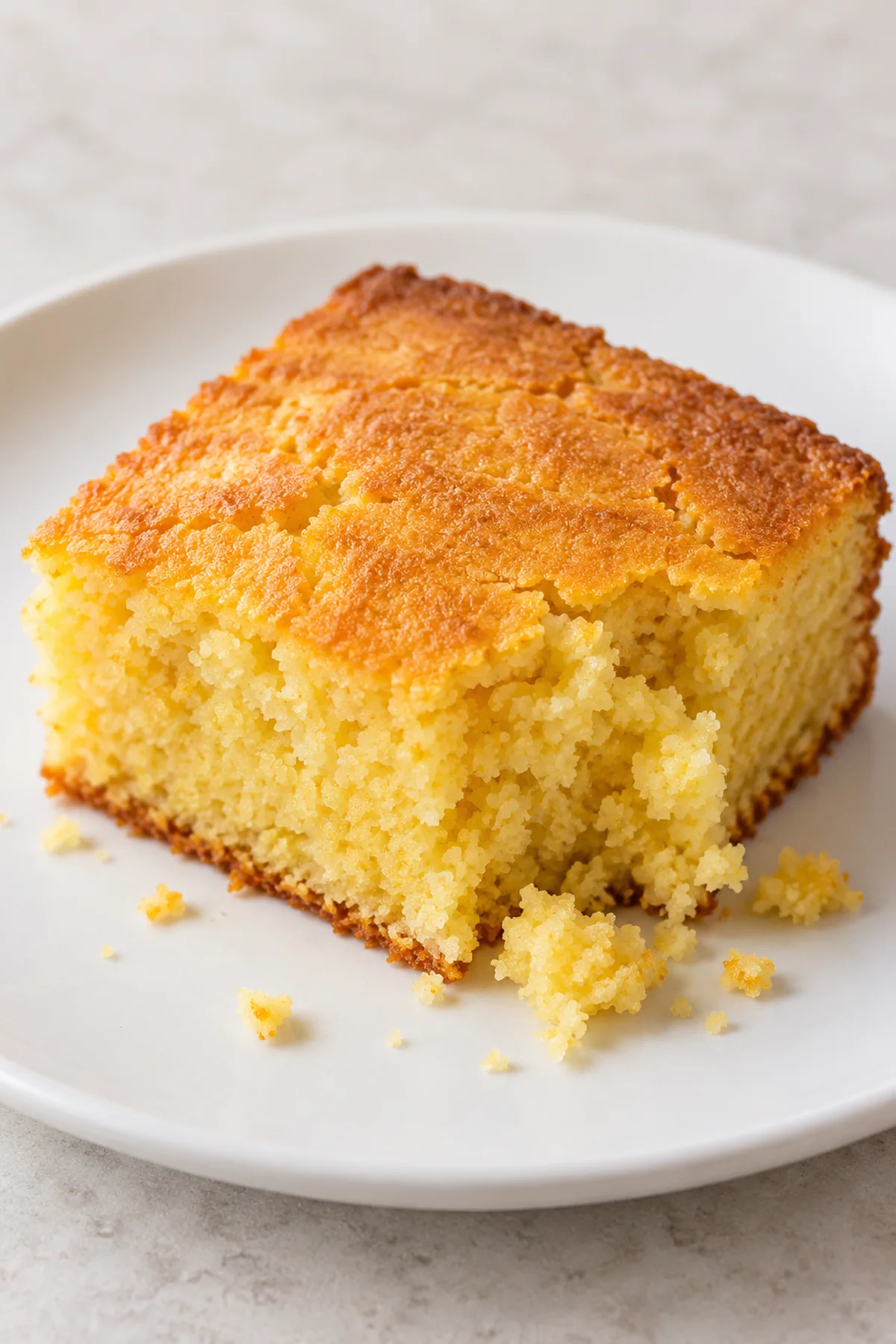
Let it settle before cutting
Set the pan on a rack for about ten minutes before slicing. The bread is easier to lift once it has had a short rest, while the center is still warm.
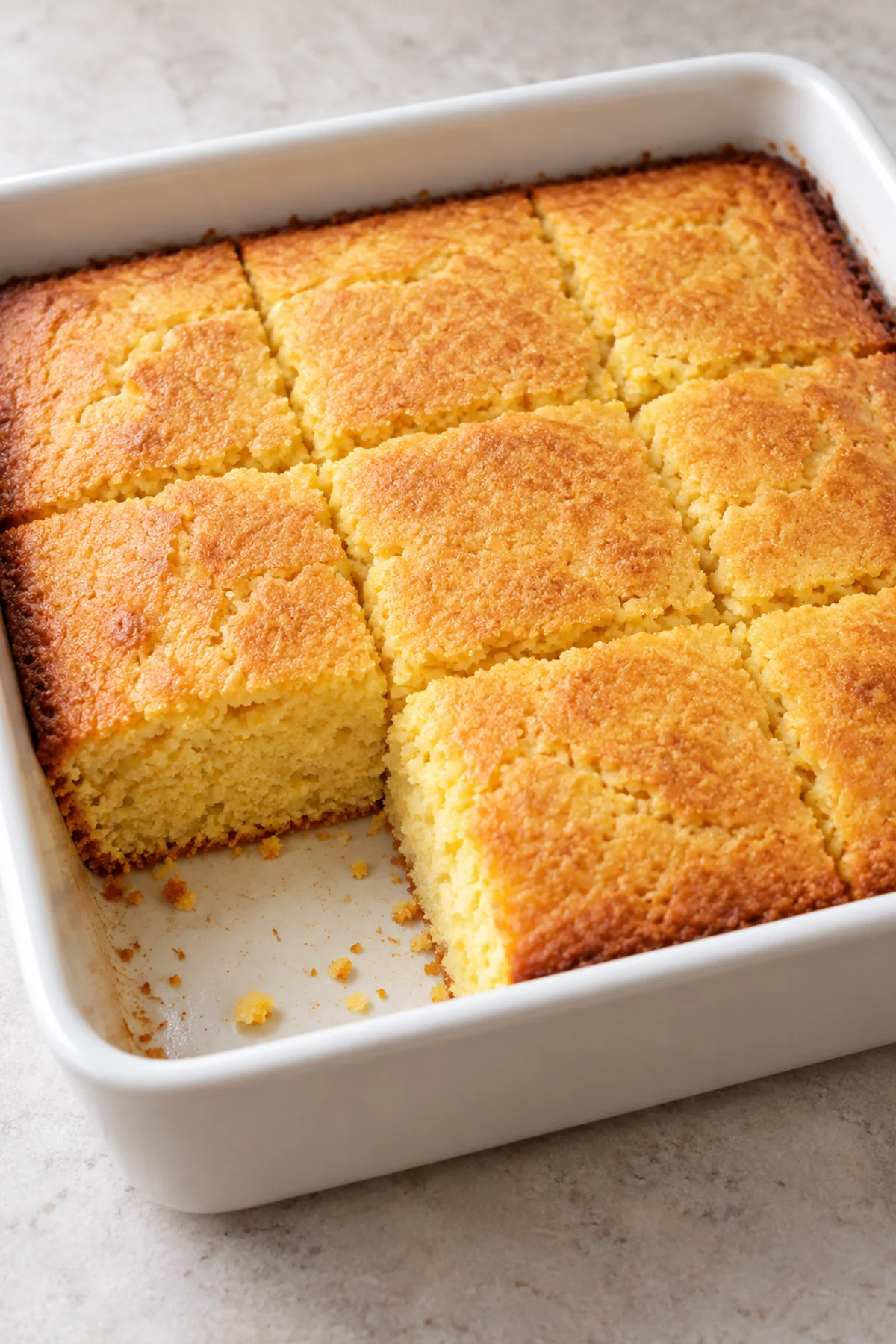
Cut it into three rows each way for nine squares. Run the knife all the way through the bottom crust, then use a small spatula to lift the pieces. A few crumbs in the pan are normal for cornbread.
For dinner, serve a square beside Cabbage Roll Soup. It also goes well with Fried Cabbage with Bacon, Onion, and Garlic, where the sweet bread balances the savory pan juices.
Questions before you bake
Do I need an electric mixer?
No. A whisk is useful for the wet ingredients, and a spatula or wooden spoon works well once the dry ingredients go in. Hand mixing makes it easier to stop as soon as the flour is moistened.
Can I use a larger pan?
This amount of batter is written for an eight-inch square pan. A larger pan spreads it into a thinner layer, so the bread and baking time will change. Keep the original pan size for the first batch.
Why did my cornbread turn out dry?
Check the flour measurement and baking time first. A packed cup of flour or a few extra minutes in the oven can make a noticeable difference. Mixing too much after adding flour can also make the crumb firmer. Measure lightly, fold just until combined, and begin checking the center at thirty minutes.
How should I save the extra squares?
Let the bread cool completely before wrapping or sealing it so trapped steam does not collect on the crust. For longer keeping, wrap individual squares and freeze them for up to three months. Thaw covered in the refrigerator, then warm gently in short microwave bursts or in a covered oven-safe dish.
Adapted from Bethany Weathersby’s Grandmother’s Buttermilk Cornbread on Allrecipes, with additional mixing and baking notes.
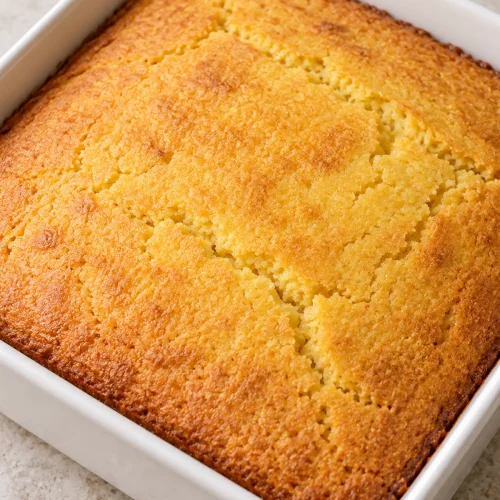
Grandmother's Buttermilk Cornbread
Equipment
- 1 8-inch square baking pan
- 1 Large mixing bowl
- 1 Bowl for dry ingredients
- 1 Small bowl or measuring cup
- 1 Whisk and spatula
- 1 Cooling rack
Ingredients
Cornbread
- 1/2 cup unsalted butter melted and cooled slightly, plus a little for greasing the pan
- 2/3 cup granulated sugar
- 2 large eggs
- 1 cup cultured buttermilk shake before measuring
- 1/2 teaspoon baking soda
- 1 cup plain yellow cornmeal fine or medium grind
- 1 cup all-purpose flour spooned into the cup and leveled
- 1/4 teaspoon salt
Instructions
Instructions
- Heat the oven to 375°F (190°C). Grease an 8-inch square baking pan. Have the pan and oven ready before you finish mixing the batter.
- Whisk the cornmeal, flour, and salt together in a bowl until evenly mixed. Break up any large flour lumps.

- If the butter is freshly melted, let it cool until warm. Stir the sugar into the butter in a large mixing bowl, then whisk in the eggs until fully blended. In a separate measuring cup or small bowl, stir the baking soda into the buttermilk. Whisk that mixture into the butter and eggs.
- Add the dry mixture to the wet ingredients and fold with a spatula or wooden spoon. Scrape the bottom of the bowl and stop once no dry pockets remain. A few small lumps are fine; do not beat the batter smooth.
- Scrape the batter into the prepared pan. Spread it gently into the corners in an even layer, then put it in the preheated oven promptly.
- Bake on the middle rack for about 30–40 minutes, starting to check at 30 minutes. The top should be golden and a toothpick inserted into the center should come out without wet batter. A few small crumbs are fine. Continue baking as needed if the middle is still wet.
- Let the pan rest on a cooling rack for about 10 minutes. Cut into three rows each way to make 9 squares and serve warm. Let any leftovers cool completely before wrapping.