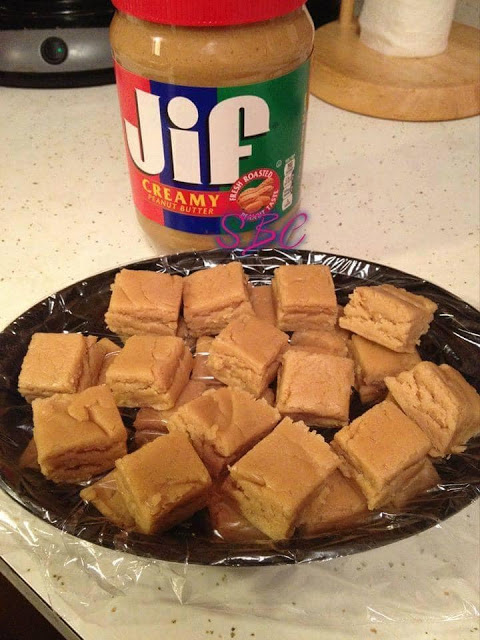
This 4-Ingredient Microwave Peanut Butter Fudge is a powdered-sugar fudge made with butter, milk, and peanut butter. I like the simplicity of the method: heat the sugar mixture, beat it smooth, heat it briefly again, then stir in the peanut butter and press everything into an 8-inch pan.
The old version of this page had two transcription errors that would make the recipe unreliable: it listed 1 cup of granulated sugar instead of a 1-pound box of confectioners’ sugar, and the microwave timing had drifted from 2 minutes plus 30 seconds to 3 minutes plus 31 seconds. I’m correcting the recipe to match the original microwave-fudge formula.
Why Powdered Sugar Works Here
This is not a cooked sugar-syrup fudge where we boil to a candy temperature. Confectioners’ sugar dissolves into the warm butter-and-milk mixture and gives the fudge its body without a soft-ball-stage test.
I would not substitute the same volume of granulated sugar. The texture and quantity are completely different, and this recipe depends on the powdered sugar for structure.
Ingredients
- 1 pound confectioners’ sugar
- 2 tablespoons butter
- 1/3 cup milk
- 1 cup creamy peanut butter
How to Make Microwave Peanut Butter Fudge
- Line an 8×8-inch pan with foil or parchment, leaving enough overhang to lift the fudge out later.
- Place the confectioners’ sugar, butter, and milk in a large microwave-safe mixing bowl.
- Microwave on high for 2 minutes.
- Carefully remove the bowl and beat the mixture with a hand mixer until combined and smoother.
- Return the bowl to the microwave for another 30 seconds.
- Add the peanut butter immediately and stir or beat until the mixture is evenly blended.
- Spread the fudge into the prepared 8×8-inch pan and smooth the top.
- Let it cool until firm enough to cut cleanly into squares.
Work Quickly Once the Peanut Butter Goes In
The mixture starts thickening as it cools, so I have the pan lined before I start microwaving. Once the peanut butter is incorporated, transfer the fudge to the pan rather than letting it sit in the warm mixing bowl.
Choosing Peanut Butter
For the most predictable texture, I use a conventional creamy peanut butter that stays emulsified. Natural peanut butter can separate into oil and solids, which may change how firmly the fudge sets.
How to Get Neat Squares
Let the fudge cool completely before cutting. For especially clean edges, chill it briefly after it has cooled, lift the slab from the pan using the foil or parchment, and cut with a sharp knife. Wipe the blade between cuts if peanut butter residue starts building up.
Serving and Storage
This fudge is rich, so small squares are usually enough. It works well for cookie trays, holiday candy boxes, potlucks, or a simple no-bake-style dessert when the oven is already busy.
Store the cut pieces in an airtight container. If your kitchen is warm and the fudge becomes soft, refrigerate it and let individual pieces sit at room temperature briefly before serving.
Common Questions
Is this the same as old-fashioned stovetop fudge?
No. This version relies on confectioners’ sugar and microwave heating rather than cooking granulated sugar syrup to a specific candy temperature.
Why is my fudge difficult to spread?
It may have cooled too much in the mixing bowl. Have the pan ready and spread the mixture immediately after the peanut butter is fully incorporated.
