The browned crust is the best part of a skillet steak. This juicy steak with creamy garlic sauce keeps some of that crust uncovered, with just enough sauce to spoon over the meat and whatever else is on your plate. Garlic, Parmesan, a little Dijon and a squeeze of lemon give the cream plenty of flavor.
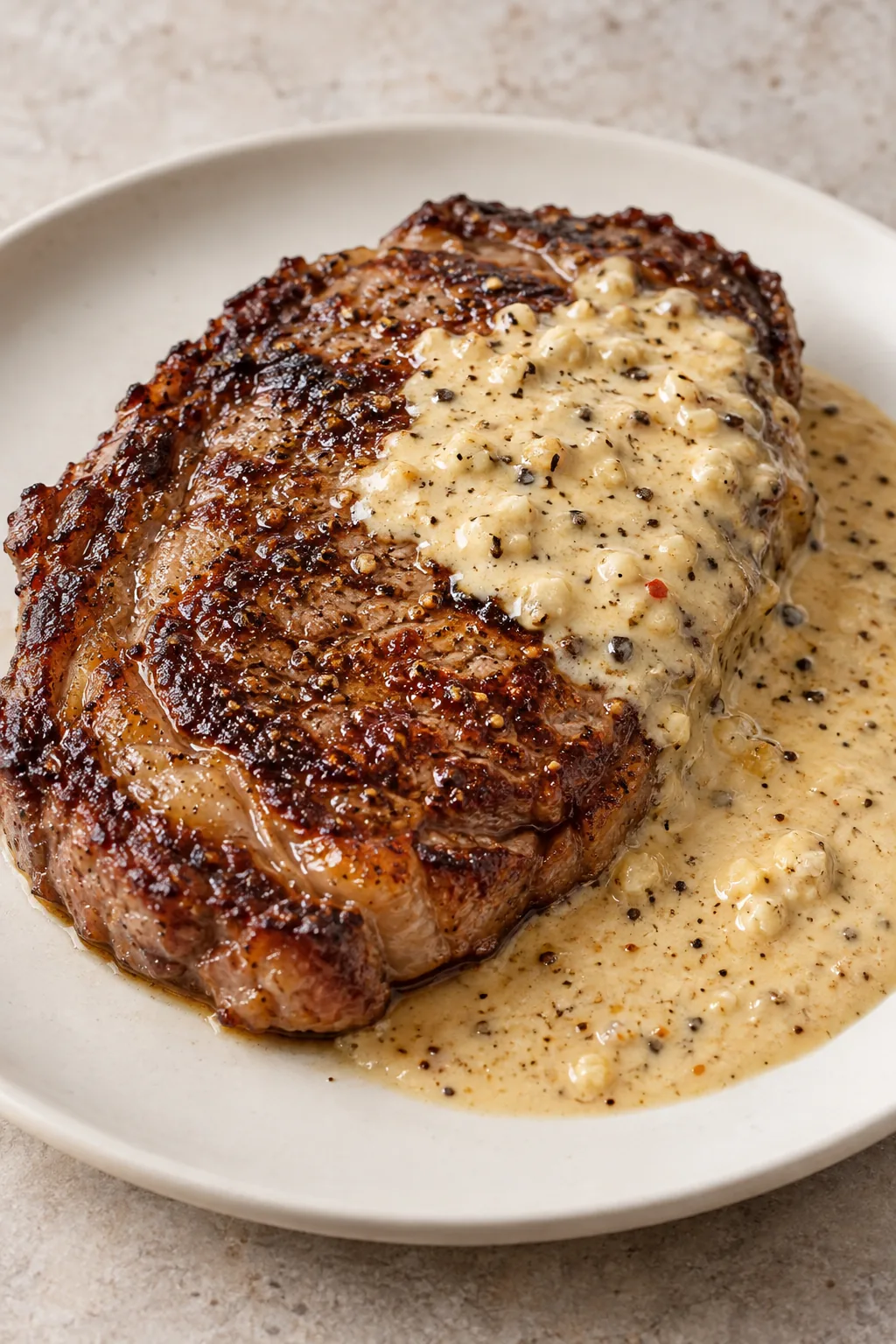
There are two jobs here: cook the steaks, then make the sauce while they rest. The pan can stay on the stove, but the heat needs to come down between those jobs. That small pause makes a big difference to the garlic.
Before the skillet gets hot
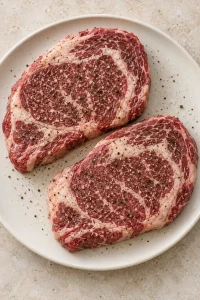
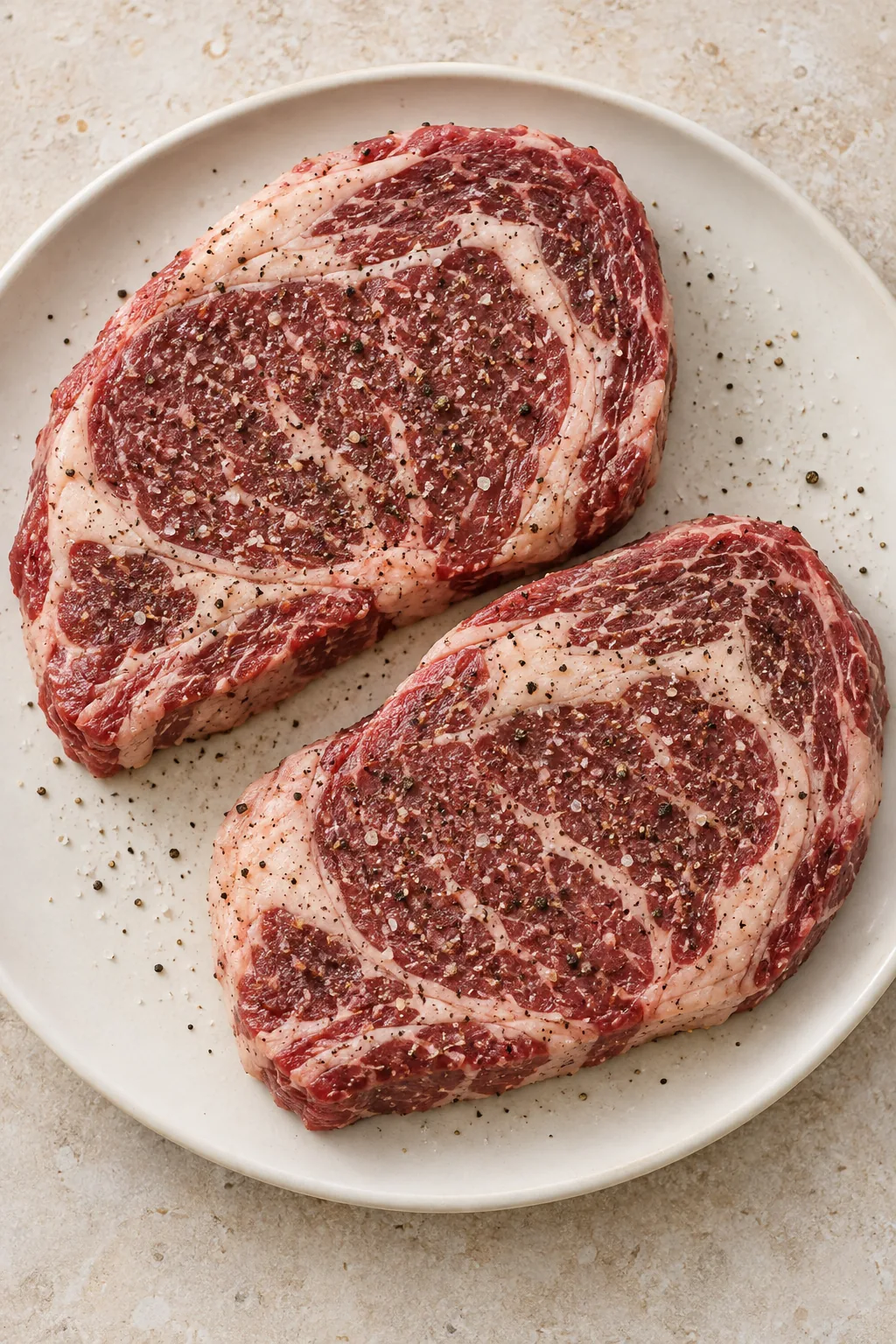
Start with two ribeye or sirloin steaks, about 8 ounces each and roughly 1 inch thick. Ribeye has more marbling; sirloin is leaner. Either works, but similar thickness matters more than matching their shape. A very thin steak will cook much faster than the one pictured.
- Give the steaks room. A 12-inch cast-iron or heavy stainless-steel skillet should hold both without crowding. If they overlap, cook them in batches.
- Dry the surface. Blot both sides before seasoning. A wet steak spends its first minutes steaming instead of browning.
- Have the sauce ingredients measured. Mince the garlic and grate the Parmesan first. Once the steaks come out, the garlic step goes quickly.
What goes into the garlic sauce
Garlic, butter and broth: Four minced cloves give this small batch a noticeable garlic flavor. Save the tablespoon of butter for the sauce, where the lower heat is kinder to it. The beef broth loosens the browned bits left after searing. Use less salty broth if you have it, since Parmesan brings salt of its own.
Cream and Parmesan: Heavy cream makes a sauce that coats the steak without needing flour. Finely grated Parmesan melts more readily than coarse shreds. Add it over low heat, and taste before reaching for the salt.
Dijon, lemon and a little heat: These small additions keep the sauce from tasting like plain cream. The mustard blends in; the lemon goes in at the end. Red pepper flakes and chopped parsley are optional. The full amounts are in the recipe card below.
Cook the steak first, then the sauce
Season and sear
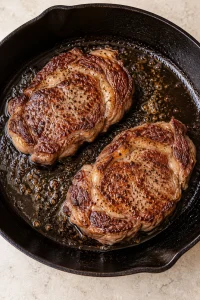
Pat the steaks dry and season both sides with salt and black pepper. Heat the skillet over medium-high heat, then add the olive oil. It should shimmer before the meat goes in.
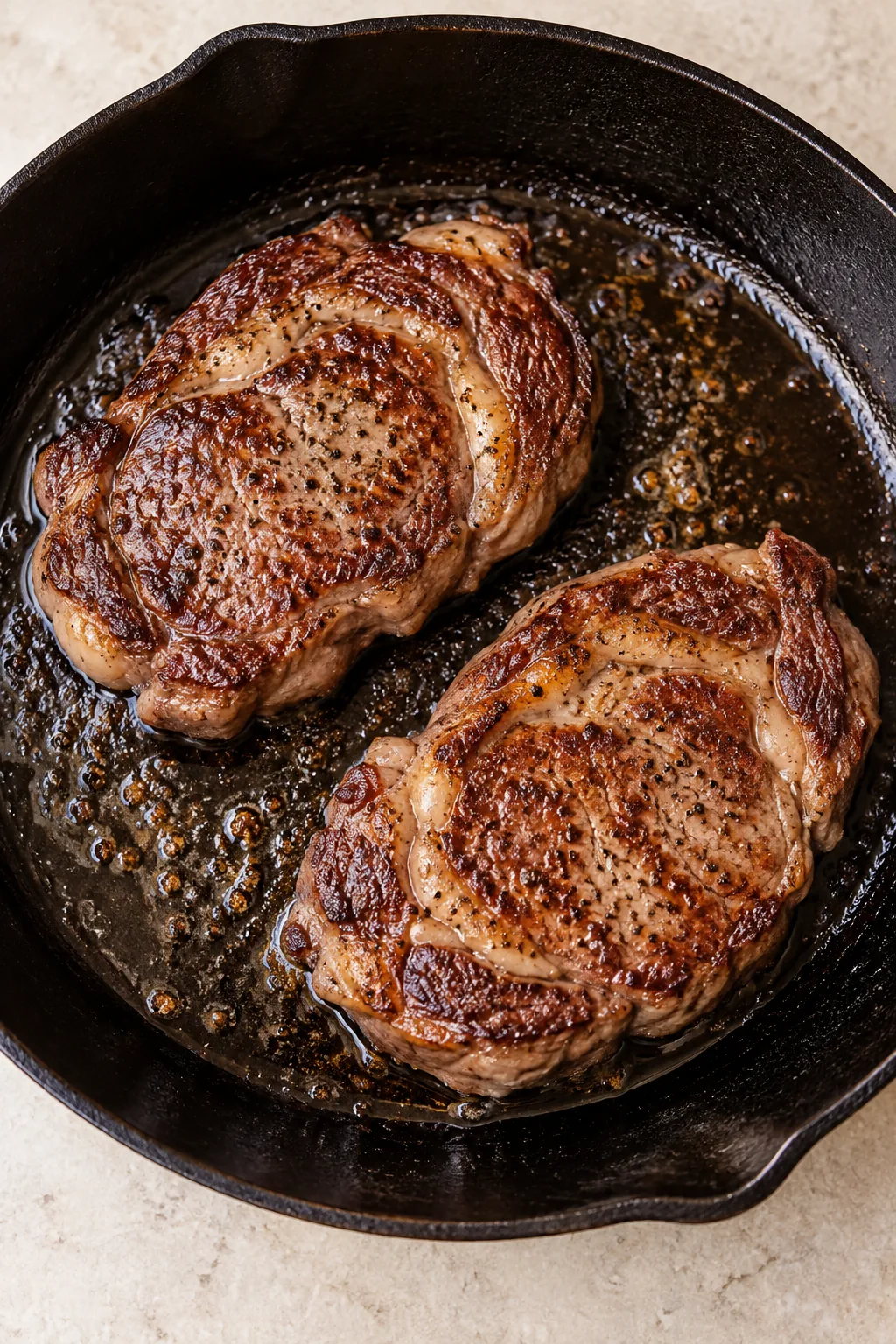
Set the steaks in the pan and leave them alone for the first few minutes. Turn when the underside has browned, then cook the second side. If the crust is getting dark before the center is ready, lower the heat and keep cooking. A thermometer is more useful here than a strict timer.
Let the steaks rest
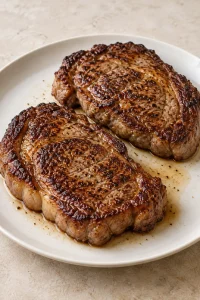
Transfer the cooked steaks to a clean plate and leave them whole while you make the sauce. Give them at least 5 minutes. Keep any juices that collect on the plate; they can go back into the finished sauce.
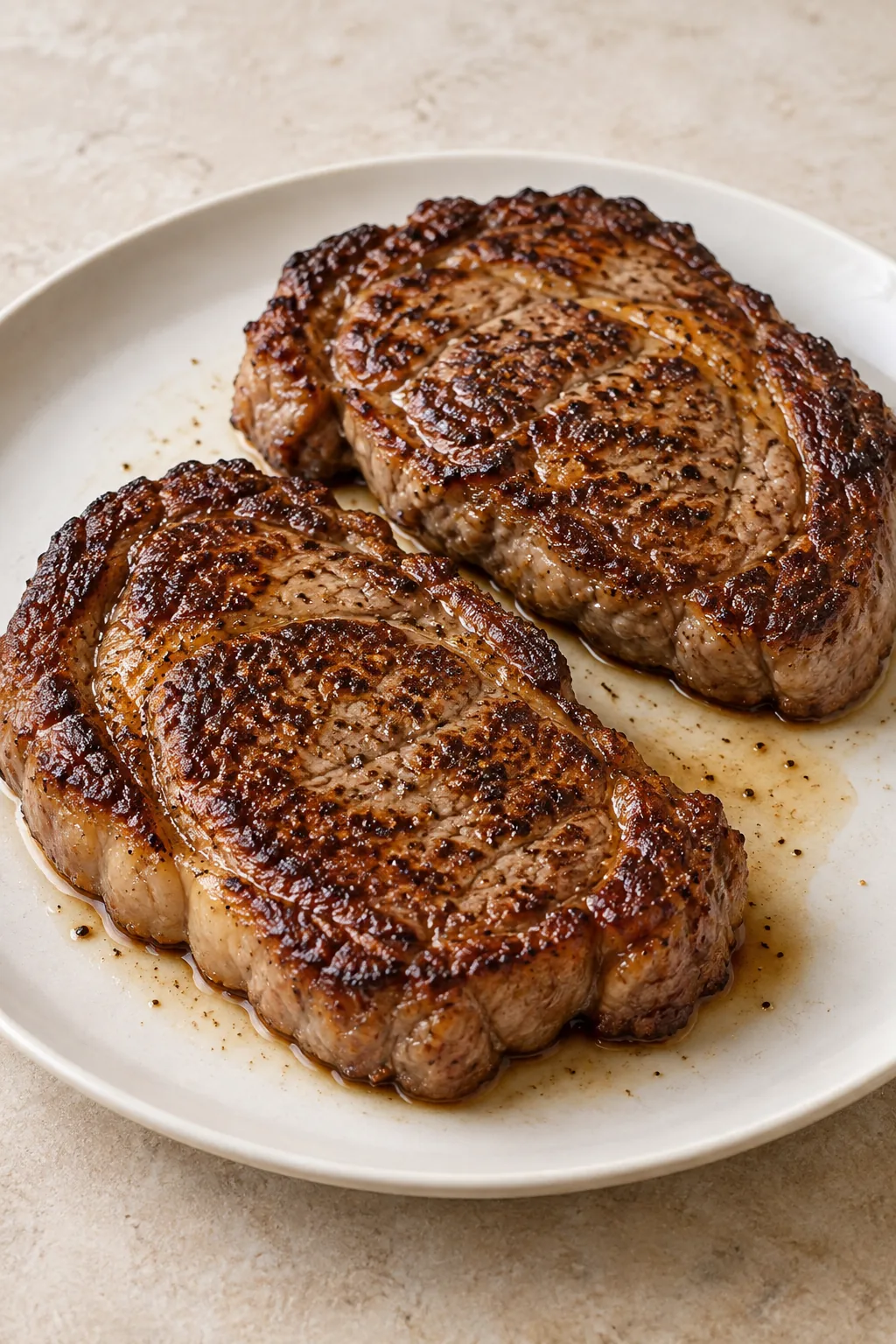
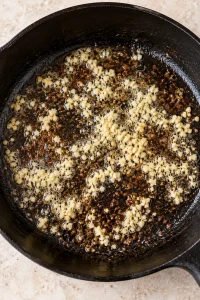
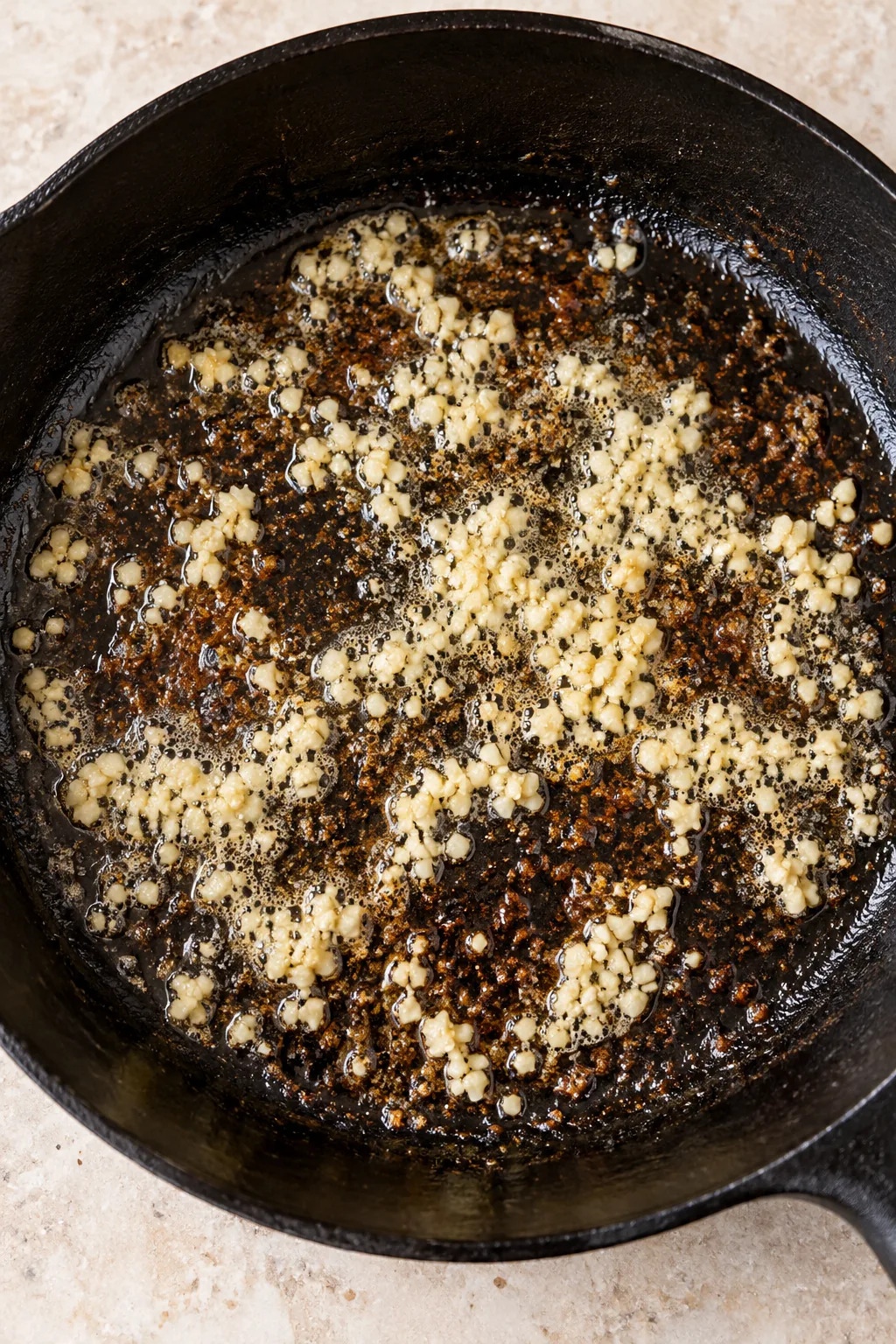
Turn the burner down to medium-low. If the skillet still feels fiercely hot, move it off the burner briefly. Pour off excess fat, leaving a light coating and the brown drippings. Add the butter and garlic, and stir for about 30 seconds, just until fragrant.
Use the drippings for the sauce
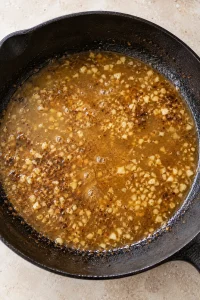
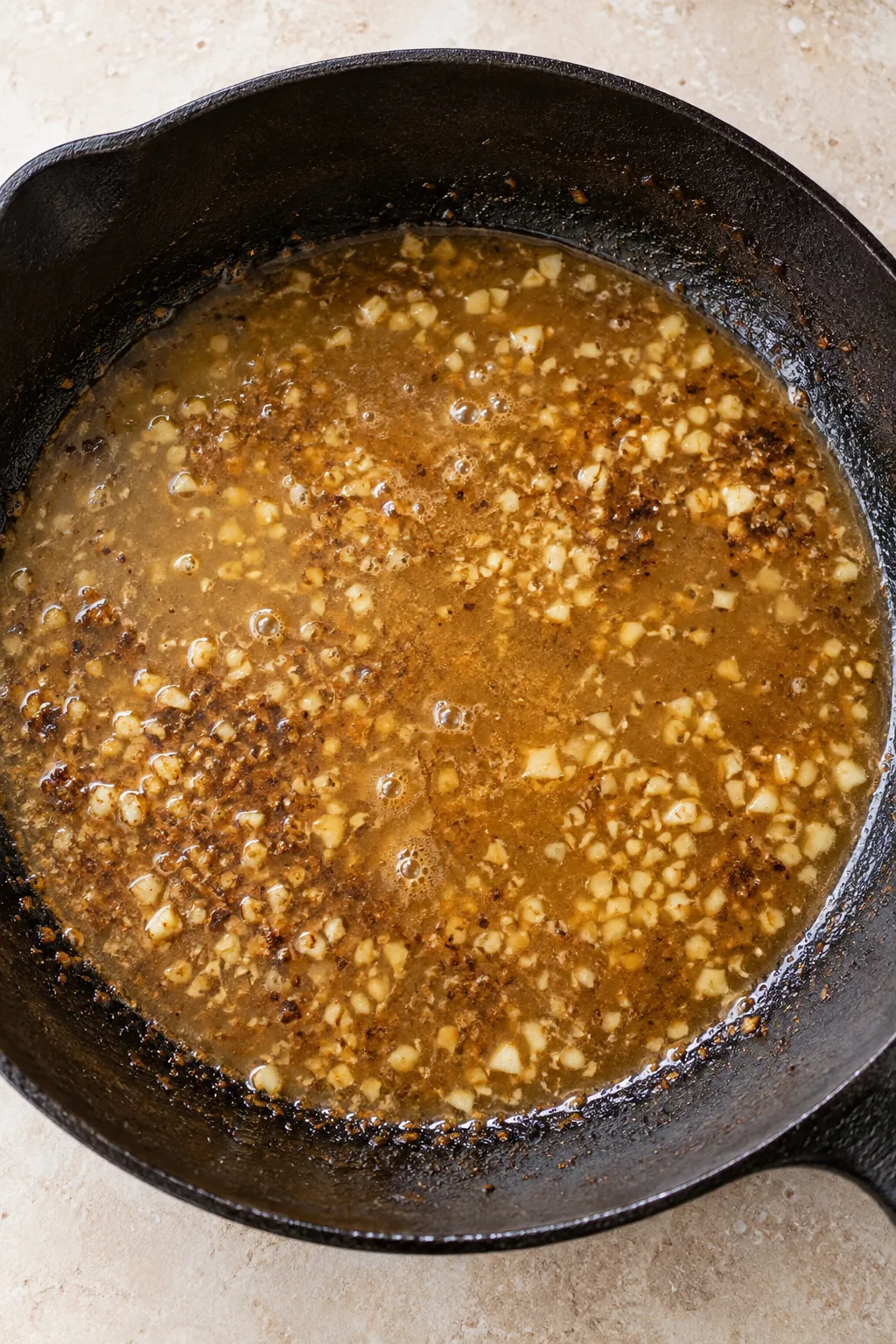
Pour in the broth and scrape the pan bottom to release the browned bits. Let it bubble briefly. There is only a quarter cup of broth, so keep an eye on it rather than letting it boil away.
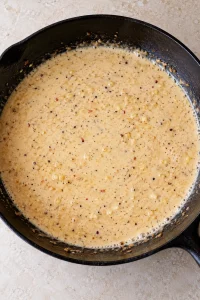
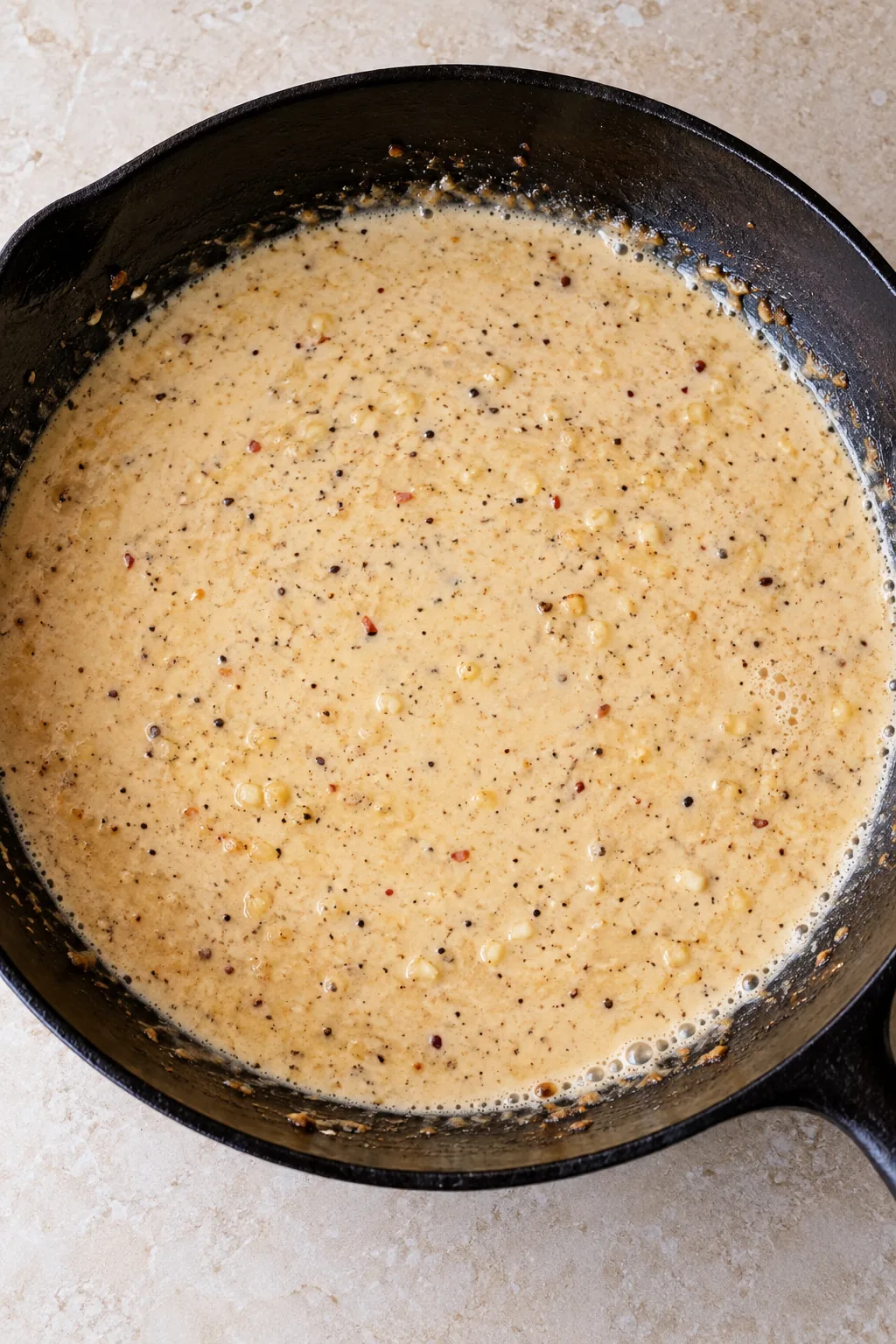
Stir in the cream. Keep the heat gentle, with small bubbles around the edges, and cook until the sauce begins to coat a spoon. It should still be easy to pour.
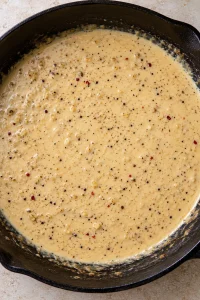
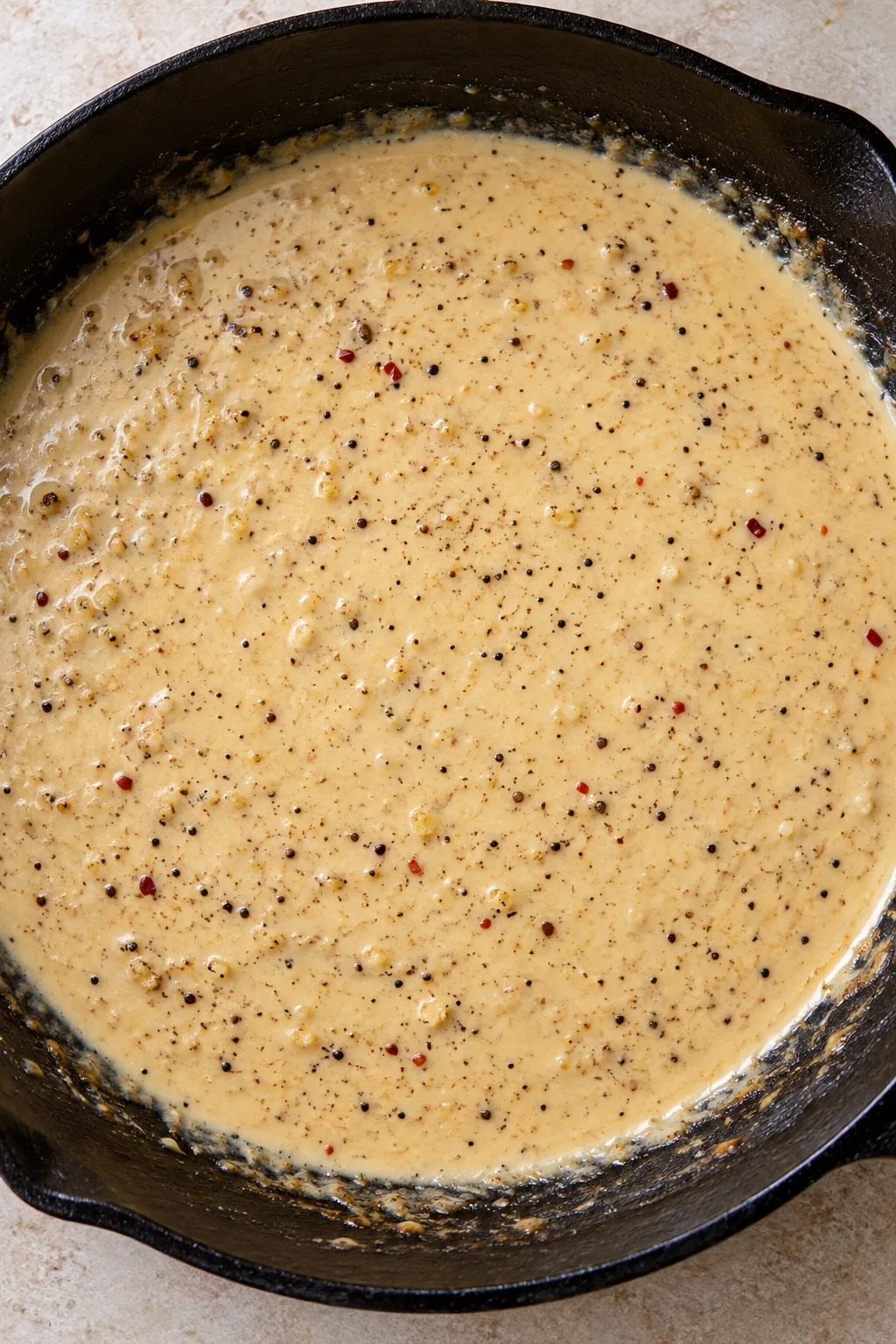
Lower the heat and stir in the Parmesan, Dijon and optional pepper flakes. Once the cheese has melted, take the pan off the heat and add the lemon juice. Taste the sauce now, when all the salty ingredients are in it.
Bring the dinner together
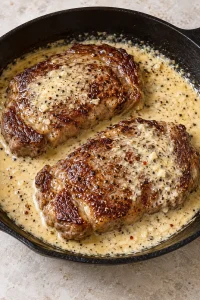
Return the rested steaks and their juices to the skillet off the heat. Coat them lightly or spoon sauce over the top. They are already cooked, so this is a finishing step rather than another simmer.
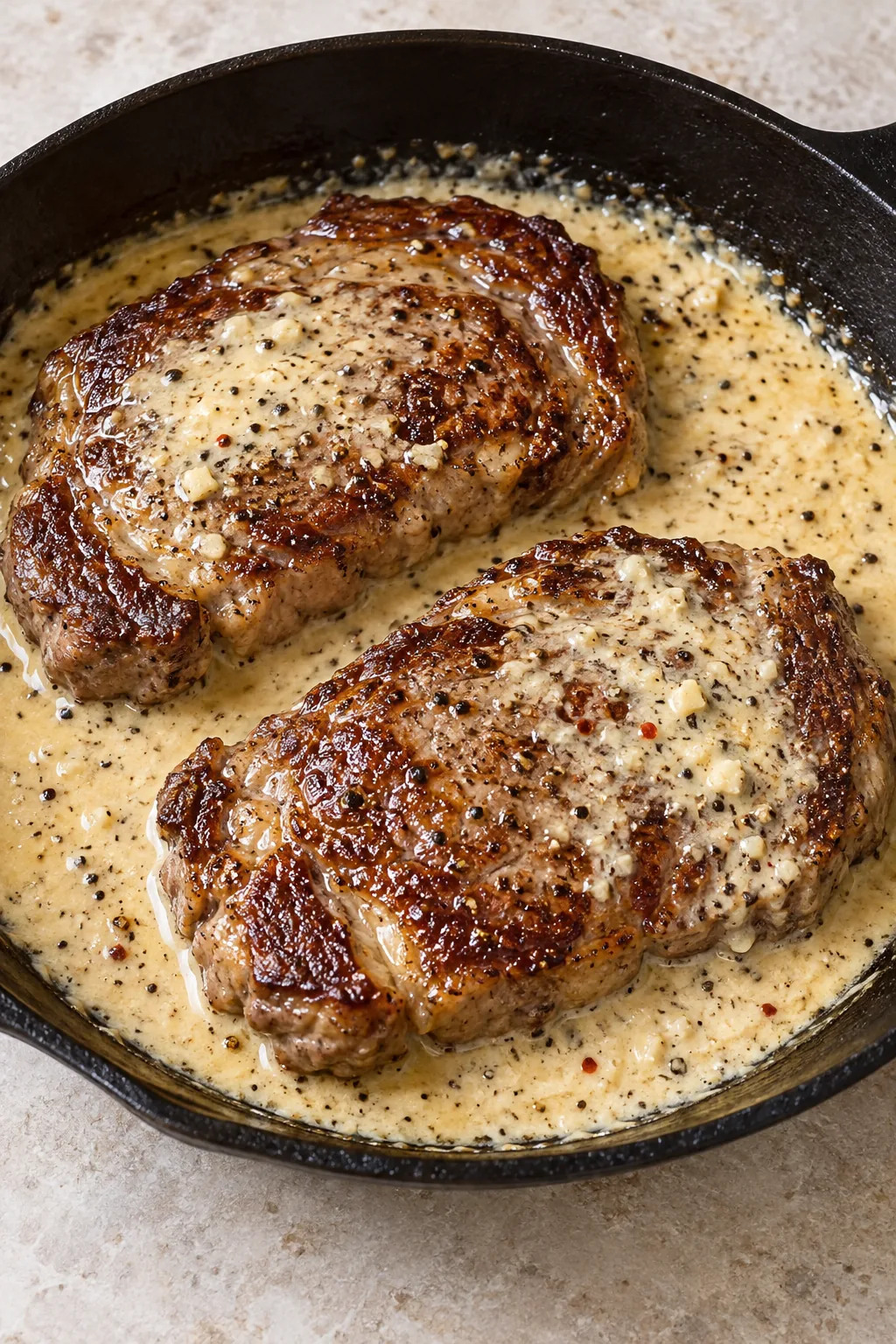
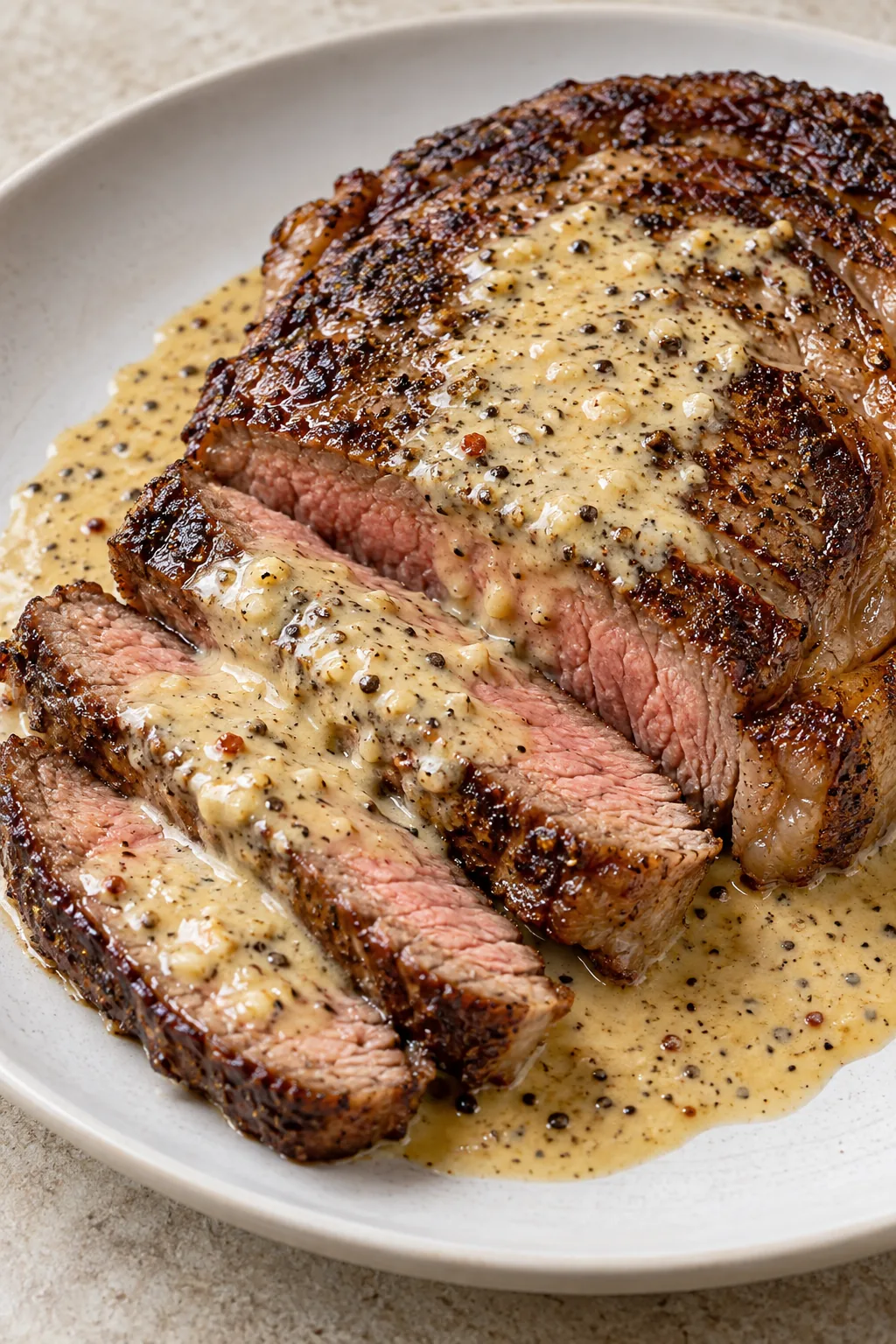
Serve the steaks whole, or slice across the grain after resting. Keep a little sauce beside the meat so the crust stays visible and everyone can add as much as they like.
If the pan or sauce needs adjusting
- The steak is pale: Check for moisture, crowding or a pan that was not hot enough. Let the surface brown before moving it around.
- The drippings look black: Burnt bits will make a bitter sauce. Wipe those out before adding butter and garlic; keep the brown bits.
- The sauce is too thick: Stir in a small splash of broth off the heat. Add a little at a time, since this is a small batch.
- The sauce looks grainy: Take it off the heat and stir gently. Keep the burner low when adding cheese, and avoid a hard boil.
A few questions before dinner
How do I know the steak is cooked?
Insert an instant-read thermometer from the side into the thickest part, away from a large pocket of fat. Cook to at least 145°F, then rest for at least 3 minutes; the 5-minute rest in this recipe covers that. Thickness, pan size and stove heat all affect the cooking time.
Can I use a different cut?
Boneless strip steak works too. Choose a similar thickness and check its temperature rather than copying the cooking time exactly. Thicker steaks take longer, while thin ones need an earlier check.
Can I use milk instead of cream?
Milk makes a much thinner sauce, so it is not a direct swap here. Heavy cream is the simplest choice for the measured broth and Parmesan in this recipe.
Finish the plate
Mashed potatoes, roasted vegetables or plain rice can share the sauce. For a fuller dinner, try Country Ranch Green Beans and Potatoes with Bacon. If you want a potato side you can start before the steaks, Scalloped Potatoes is another option.
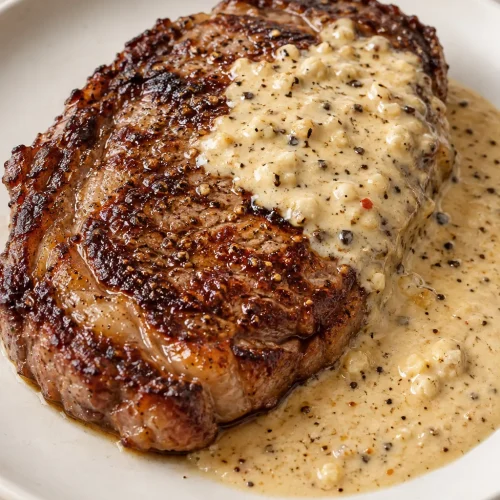
Juicy Steak with Creamy Garlic Sauce
Ingredients
For the steaks
- 2 ribeye or sirloin steaks about 8 ounces (225 g) each and 1 inch thick
- 1 tablespoon olive oil
- salt and black pepper to taste
For the creamy garlic sauce
- 1 tablespoon butter for the sauce
- 4 cloves garlic minced
- 1/2 cup heavy cream 120 ml
- 1/4 cup beef broth 60 ml, plus a small splash only if needed to loosen the sauce
- 1/4 cup Parmesan cheese 25 g, finely grated
- 1 teaspoon Dijon mustard
- 1/4 teaspoon crushed red pepper flakes optional
- 1 teaspoon fresh lemon juice
- fresh parsley chopped, optional garnish
Instructions
- Pat both sides of the steaks dry. Season with salt and black pepper. Have the garlic minced and the sauce ingredients measured before heating the pan.

- Heat a 12-inch cast-iron or heavy stainless-steel skillet over medium-high heat. Add the olive oil. When it shimmers, add the steaks without crowding. Sear for about 3 to 4 minutes on the first side, then turn and cook the other side. Lower the heat if the crust darkens too quickly, and continue cooking until the center reaches at least 145°F on an instant-read thermometer. The total time depends on thickness and stove heat.
- Transfer the steaks to a clean plate and rest for at least 5 minutes while making the sauce. Keep the juices that collect on the plate.
- Reduce the heat to medium-low and let the skillet cool briefly if it is very hot. Pour off excess fat, leaving a light coating and the brown drippings. Discard any blackened bits. Add the butter and minced garlic. Cook, stirring, for about 30 seconds, just until fragrant.
- Pour in the beef broth and scrape the pan bottom to loosen the browned bits. Let it bubble gently for about 30 to 60 seconds without boiling dry.
- Stir in the heavy cream. Simmer gently over medium-low heat for about 2 to 3 minutes, stirring, until the sauce starts to coat a spoon.
- Lower the heat and stir in the Parmesan, Dijon mustard and optional red pepper flakes until the cheese melts. Remove the pan from the heat and stir in the lemon juice. Taste and adjust the salt and pepper. If needed, add a small splash of broth to loosen the sauce.
- Return the rested steaks and their juices to the skillet off the heat. Coat lightly with the sauce and serve whole, or slice across the grain and spoon sauce over the top. Add parsley only if desired.