Hershey’s Cocoa Fudge is an old-fashioned stovetop fudge made with cocoa powder, sugar, milk, butter, and vanilla rather than chocolate chips or marshmallow creme. That means the texture depends less on melting ingredients together and more on controlling temperature and knowing when to stop stirring.
I recommend reading through the whole method before you start. This is one of those recipes where the sequence matters: first we cook the sugar mixture to the soft-ball stage, then we cool it without stirring, and only after that do we beat it until the glossy mixture turns thick and satiny.
The ingredient list is short, but the technique is what gives this fudge its classic texture.
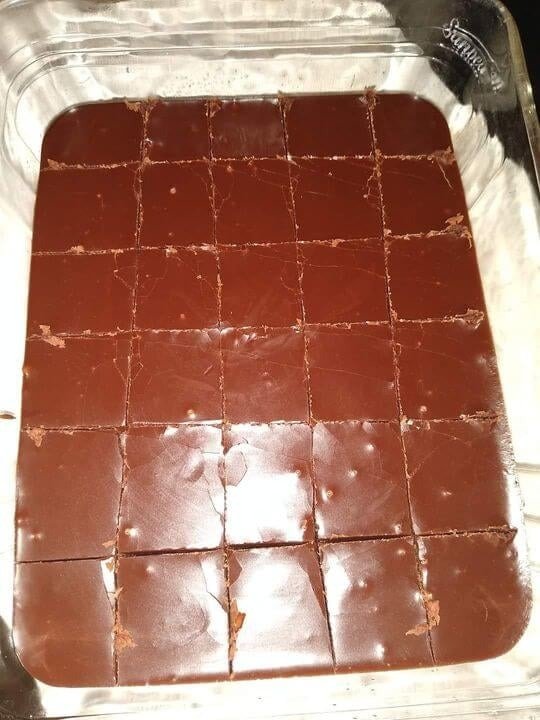
This Fudge Is All About Two Stages
The first stage is cooking. The cocoa, sugar, salt, and milk need to reach about 234°F, which is the soft-ball stage in candy making.
The second stage is beating. After the mixture cools with the butter and vanilla sitting on top, we stir until the fudge starts losing its shiny appearance and becomes thicker.
If I had to point to the two places where most problems happen, those would be it: stopping the cooking too early or beating the fudge for too little—or too long—after cooling.
Ingredients
- 3/4 cup Hershey’s unsweetened cocoa
- 3 cups granulated sugar
- 1/2 teaspoon salt
- 1 1/2 cups milk
- 1/4 cup unsalted butter, cut into pieces
- 1 teaspoon pure vanilla extract
- 1/2 cup chopped walnuts or pecans, optional
What I Recommend Having Ready
A heavy saucepan: A heavy-bottomed pan distributes heat more evenly and gives you better control while the sugar mixture cooks.
A candy thermometer: I strongly recommend using one if you have it. The cold-water test works, but a thermometer removes a lot of guesswork.
A wooden spoon: You will need something sturdy when the fudge starts thickening during the beating stage.
An 8-inch square pan: Line it before you start cooking. Once the fudge reaches the right consistency, there is not much time to stop and prepare a pan.
How to Make Hershey’s Cocoa Fudge
- Line an 8-inch square pan with foil, leaving enough overhang to lift the fudge out later. Lightly butter the foil.
- Add the cocoa, sugar, salt, and milk to a medium heavy saucepan.
- Cook over medium heat, stirring constantly, until the mixture comes to a full boil.
- Once it boils, stop stirring. Continue cooking until the mixture reaches 234°F on a candy thermometer, or until a small amount dropped into cold water forms a soft ball.
- Remove the saucepan from the heat.
- Place the pan in a sink or larger container with about 2 inches of cold water around the outside of the saucepan.
- Add the butter and vanilla to the hot fudge mixture, but do not stir yet.
- Let the mixture cool to room temperature.
- Remove the saucepan from the cold water. Beat with a wooden spoon until the butter and vanilla are incorporated and the fudge begins losing its glossy shine.
- Stir in the nuts if using.
- Immediately spread the fudge into the prepared pan.
- Let it set for at least 1 hour before cutting.
How to Recognize the Soft-Ball Stage
With a thermometer, the target is about 234°F. If you are using the cold-water method, drop a small amount of the hot syrup into cold water. It should form a soft ball that holds together when gathered but still flattens easily when pressed.
I would not judge this stage by how thick the mixture looks in the saucepan alone. Sugar syrup can look deceptively fluid while still being close to the correct temperature.
Why You Stop Stirring After the Mixture Boils
Once the sugar mixture is boiling, continued stirring can encourage unwanted sugar crystals to form. That is why the method changes from constant stirring before the boil to no stirring while it cooks to temperature.
This small detail makes a big difference in the finished texture.
Do Not Rush the Cooling Stage
The butter and vanilla go in after the pan comes off the heat, but I recommend leaving them undisturbed while the fudge cools.
If you start beating while the mixture is still too hot, the texture can turn grainy or set poorly. Let it cool first, then beat.
How to Know When to Stop Beating
At first, the fudge will still look glossy. As you beat it, the mixture thickens and the shine starts fading into more of a satin finish.
That is your cue to work quickly. Once the mixture has clearly thickened and lost most of its gloss, stir in the nuts if you are using them and transfer it to the prepared pan.
If you keep beating far beyond that point, the fudge can become difficult to spread before it sets.
Common Fudge Problems
Why is my fudge too soft?
The mixture may not have cooked long enough to reach the soft-ball stage. Accurate temperature matters more than cooking for a fixed number of minutes.
Why is my fudge grainy?
Graininess can happen when sugar crystals form during cooking or when the mixture is disturbed too much at the wrong stage. Avoid stirring after the boil begins and let the fudge cool before beating.
Why did my fudge harden before I could spread it?
It was probably beaten a little too long. Once the shine fades and the mixture thickens, move quickly to the prepared pan.
Optional Nuts
Walnuts or pecans both work. I add them only after the fudge has been beaten to the right consistency so they do not interfere with the cooking and cooling stages.
If you prefer smooth chocolate fudge, leave them out completely.
Storage
Once the fudge is fully set, cut it into squares and keep it in an airtight container or candy tin. I recommend separating layers with parchment or wax paper so the pieces stay neat.
Keep the container in a cool, dry place. If your kitchen is especially warm, refrigeration can help the fudge stay firm.
Another Old-Fashioned Cocoa Fudge
If you want a similar stovetop recipe that uses evaporated milk instead of regular milk, see my Old-Fashioned Cocoa Fudge with Evaporated Milk. The ingredient ratios and cooking method are different enough that I keep them as separate recipes.
Frequently Asked Questions
Do I need a candy thermometer?
No, but I recommend one because it gives you a much clearer target. The cold-water soft-ball test is the traditional alternative.
Can I substitute chocolate chips for cocoa?
Not in this recipe. The ingredient balance and method are built around unsweetened cocoa powder.
Can I double the recipe?
I would make separate batches instead. Candy recipes can behave differently in a larger pan, and a doubled batch takes longer to heat and cool evenly.
When should I add the nuts?
Add them after beating, just before spreading the fudge into the prepared pan.
